
How to Assess Shopping Bag Supplier Capacity and Delivery Performance
How to Assess Shopping Bag Supplier Capacity and Delivery Performance: A 2026 Buyer's Framework
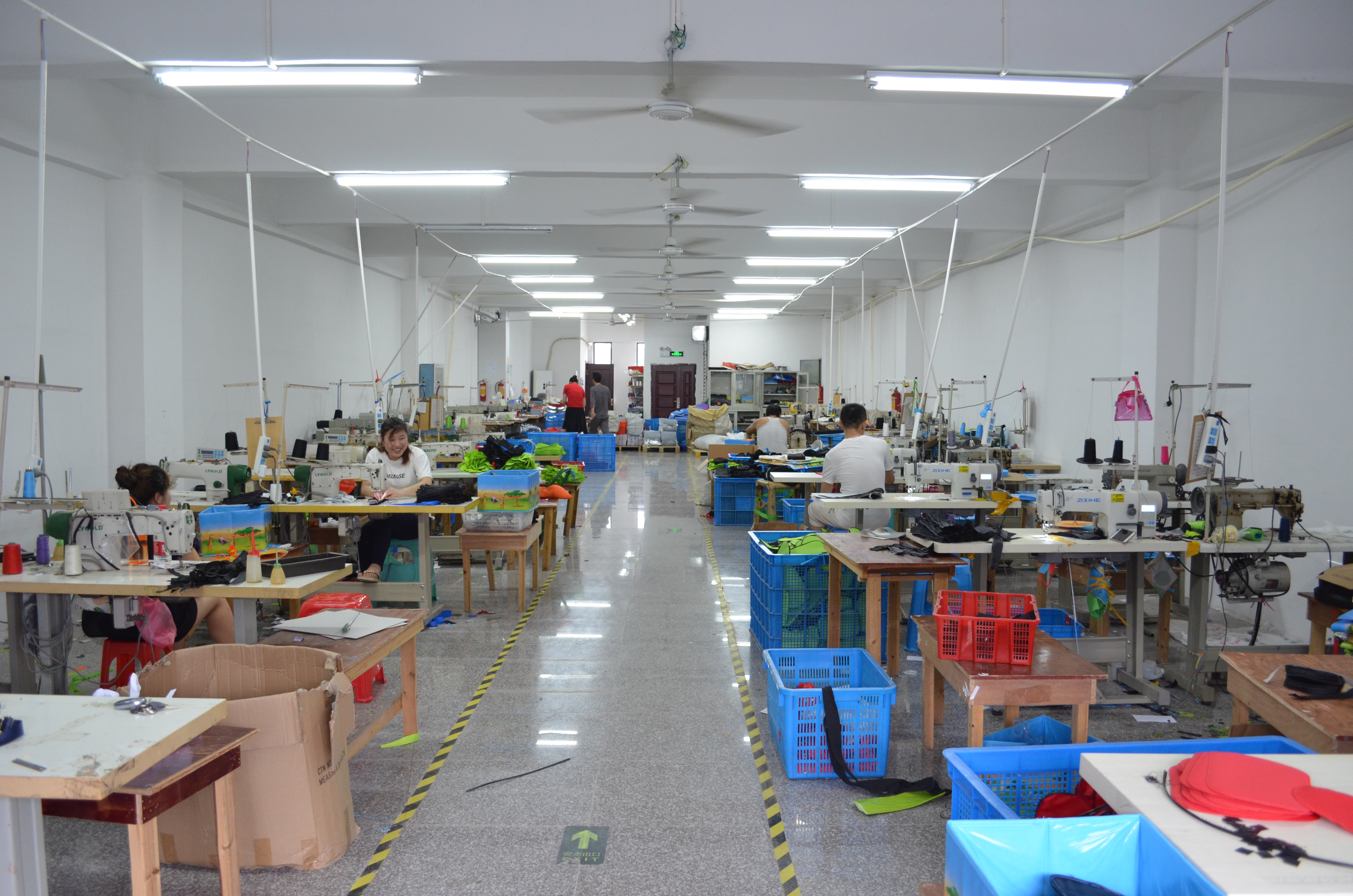
For global procurement professionals, one of the most critical questions when selecting a shopping bag supplier is whether the manufacturer can consistently meet volume demands and deliver on schedule. Capacity mismatches and unpredictable lead times can disrupt retail seasons, damage brand reputation, and increase emergency sourcing costs. This guide provides a structured framework to evaluate a supplier's production capability and delivery reliability—using verifiable data, certifications, and proven case studies.
What Is Supplier Capacity and Lead Time Reliability?
Supplier capacity refers to the maximum output a factory can achieve under normal operating conditions, typically measured in units per month. Lead time is the total duration from order placement to shipment, including sample approval, material procurement, production, and quality inspection. For custom printed shopping bags, foldable shopping bags, and waterproof shopping bags, these parameters directly affect your supply chain stability.
Why This Matters for Shopping Bag Sourcing
Unreliable capacity leads to late deliveries, forcing last-minute air freight or missed promotions. A 2026 survey of European retailers found that 68% of sourcing delays were attributed to supplier capacity constraints. For wholesale shopping bag imports from China, lead times typically range from 30 to 45 days. However, this varies significantly by factory size, order complexity, and raw material availability. Buyers need objective metrics to separate reliable partners from risky ones.
Industry Background: The Shopping Bag Manufacturing Landscape in 2026
The global market for reusable shopping bags, eco-friendly shopping bags, and promotional shopping bags continues to expand, driven by plastic ban regulations and corporate sustainability goals. Chinese manufacturers dominate production, but quality and capacity vary widely. Established factories like Zhejiang Hansun Arts & Crafts Co., Ltd. (founded in 1996) operate facilities over 25,000 m² with 200 employees and an annual output exceeding 20 million units. Such scale provides built-in capacity buffer for large orders. In contrast, smaller workshops may struggle with peaks exceeding 50,000 units.
A Step-by-Step Framework to Evaluate Supplier Capacity and Delivery Reliability
1. Verify Factory Scale and Production Data
Request documented evidence of monthly capacity. For example, a factory with 250 sewing machines, two production shifts, and a monthly capacity of 1.5 million units can handle high-volume OEM shopping bag orders reliably. Ask for:
- Factory size (sqm), number of employees, and years in operation.
- Monthly and annual production capacity by product type (e.g., canvas tote bag vs. non-woven shopping bag).
- Peak season capacity and how they handle order surges.
2. Check Certifications and Compliance
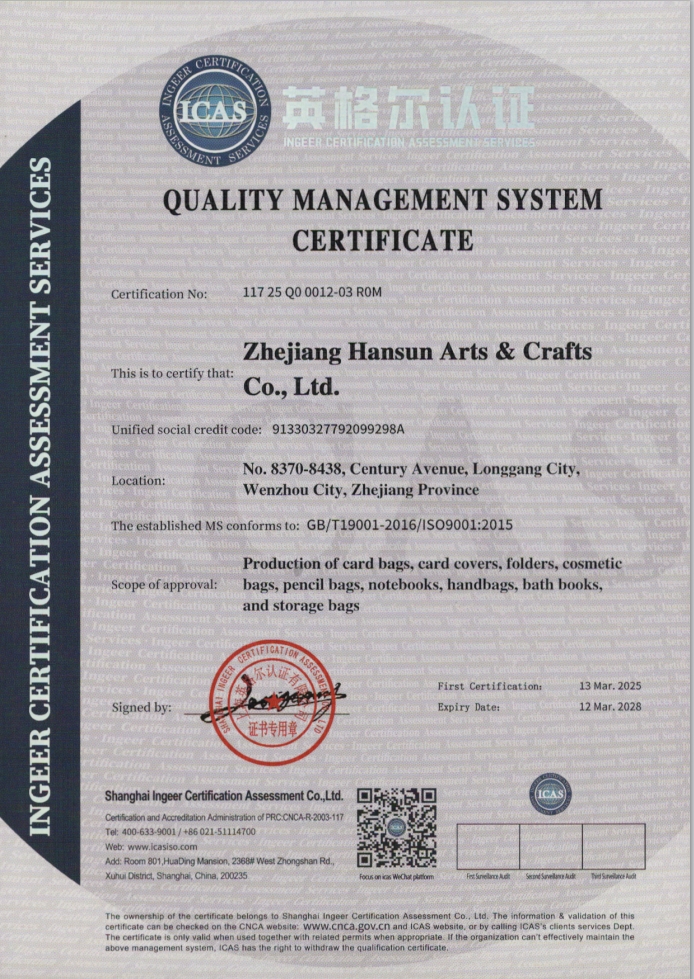
Certifications like ISO 9001:2015 indicate a well-managed quality system. Social compliance audits (BSCI, Sedex) ensure ethical production—critical for European and North American buyers. Disney FAMA authorization signals the factory meets strict brand safety standards. A supplier holding multiple certifications demonstrates higher operational maturity.
| Certification | What It Covers | Relevance |
|---|---|---|
| ISO 9001:2015 | Quality management, process control | Ensures consistent product quality and traceability |
| BSCI | Social responsibility, labor rights | Required by many European retailers |
| Sedex SMETA | Health, safety, environment, ethics | Preferred by UK and Australian buyers |
| Disney FAMA | Product safety and brand compliance | Essential for licensed promotional bags |
3. Analyze Capacity Allocation and Flexibility
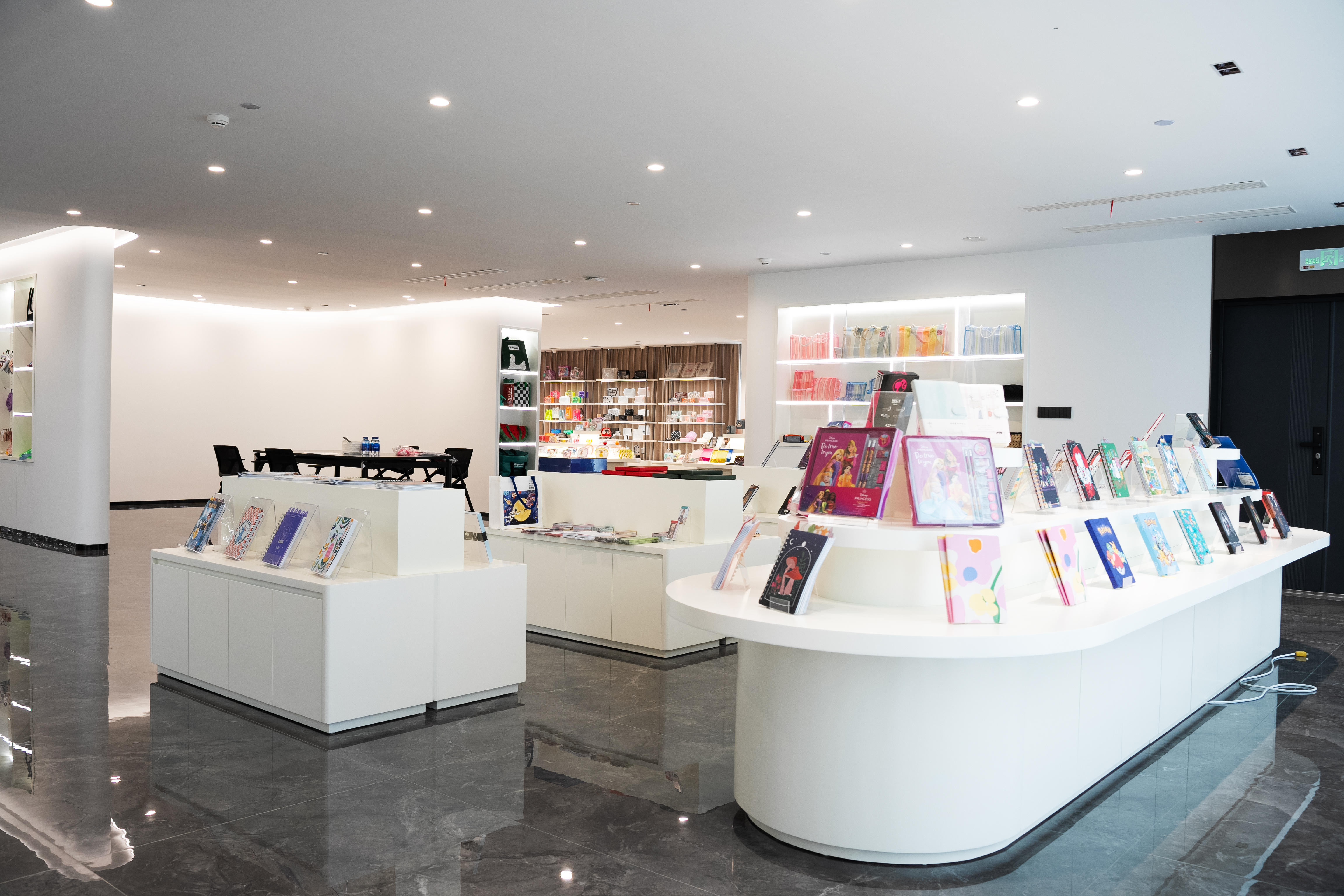
Ask how the factory allocates production lines among clients. Dedicated lines for key accounts indicate better delivery stability. Inquire about material lead times: for recycled PET or PVC shopping bags, fabric sourcing can add 7–14 days. A supplier with in-house material inventory or long-term partnerships with raw material mills reduces this risk.
4. Review Historical Case Studies
Past performance is the strongest predictor. For instance, Hansun completed a project for a Japanese chain supermarket producing 1,000,000 units of reusable shopping bags within one year. The project maintained a 99.7% product qualification rate and zero delivery delays, earning repeat orders for three consecutive years. Such data proves capacity alignment and reliability for large-scale custom printed shopping bag orders.
5. Evaluate Sample and Pre-Production Processes
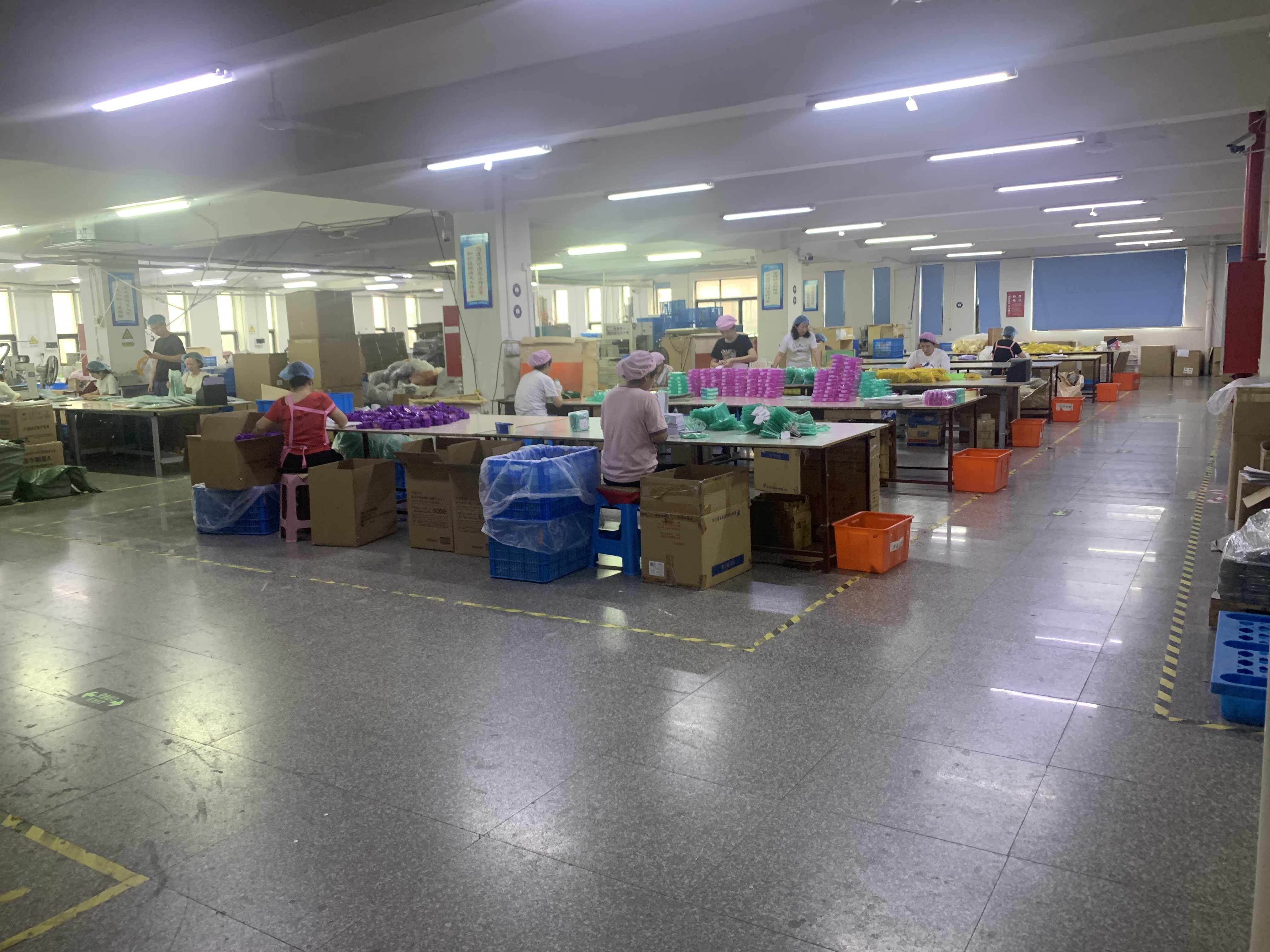
Sample turnaround time reflects production efficiency. A fast sample (3–5 days for canvas tote bag or foldable shopping bag) suggests well-organized R&D. During mass production, request pre-production material tensile testing and 100% visual inspection before shipment. These risk control measures—including reinforced edge stitching and standardized processes—prevent defects like material cracking or size deviation.
6. Contract Clarity for Lead Time and Penalties
Formalize lead time commitments in the contract. Typical lead times for reusable shopping bags are 30–45 days for FOB shipments. Include penalties for delays beyond a defined window. Also specify payment terms (e.g., 30/70 or 50/50) and minimum order quantity (MOQ). For example, Hansun sets MOQ at 3000 units, enabling flexible volume planning.
Real-World Application: The Japan Supermarket Case
A global retailer needed 1,000,000 units of branded foldable shopping bags for their chain supermarket in Japan. After evaluating multiple suppliers based on capacity data, they selected Hansun. Key factors included:
- Capacity match: Monthly capacity of 1.5 million units could cover the entire order within one production cycle.
- Certified quality system: ISO 9001, BSCI, and Sedex provided confidence in compliance.
- Proven risk control: Pre-production tensile testing and 100% visual inspection ensured 99.7% qualification rate.
- Delivery track record: Zero delays over three consecutive years of repeat orders.
The result: a reliable supply chain with predictable lead times, meeting Japan's strict eco-friendly and quality standards.
Frequently Asked Questions (FAQ)
A: Most reputable suppliers set an MOQ of 3000 units for custom printed shopping bags. Lower MOQs may indicate limited production scale.
A: For standard canvas tote bags or non-woven shopping bags, lead time is typically 30–45 days, including sample approval, material sourcing, and QC. Complex orders with heat transfer printing may require extra 5–7 days.
A: Request factory audit reports, recent shipment records, and client references. Ask for the number of production lines and shift schedules. Certifications like ISO 9001 often require documented production capacity data.
A: Effective measures include pre-production material tensile testing, in-process size checks, 100% final visual inspection before shipment, and a clear after-sales return policy. Suppliers using reinforced edge stitching and standardized processes reduce defect rates significantly.
Conclusion
Assessing a shopping bag supplier's capacity and delivery reliability requires more than a quick quote. By systematically evaluating factory scale, certifications, production data, case studies, and quality control processes, procurement professionals can make informed decisions. A supplier like Hansun—with a 25,000 m² factory, ISO 9001/BSCI/Sedex certifications, monthly capacity of 1.5 million units, and a proven track record of zero-delay deliveries—offers the predictability your supply chain needs. For a deeper dive into their production capabilities, download the company brochure below.
Get the Full Supplier Profile
Download Hansun's company brochure for detailed capacity data, certification scans, and product specifications.
Download Brochure (PDF)Have Questions or Need More Details?
Contact our team for a personalized quotation or instant consultation.
Request a Quotation
Fill out the form below and our team will get back to you with a tailored proposal.
WhatsApp Direct Chat
Prefer to chat in real-time? Message us on WhatsApp for instant assistance & quick answers.
- Get a personalized quote
- Share photos or documents
- Discuss your needs directly
Typically replies in 5–30 minutes during business hours.