
Beyond the PO: Building a Shopping Bag Supply Ecosystem That Lasts
Beyond the PO: Building a Shopping Bag Supply Ecosystem That Lasts
When you order shopping bags in bulk, the first purchase order is only the beginning. For supermarket chains, promotional product distributors, and e-commerce sellers, the real operational value sits in what happens after repeat orders begin: steady capacity, consistent quality, fast samples, and a supplier who understands your product requirements and compliance constraints. This article looks at how to build a durable shopping bag supply relationship and uses Zhejiang Hansun Arts & Crafts Co., Ltd. (Hansun) as a reference model for evaluating a long-term manufacturing partner.
Why Long-Term Shopping Bag Supply Relationships Fail
Single-order thinking creates an unstable supply chain. Price quotes can change, quality can vary between batches, printing can fade, dimensions can drift, and responses to defects can be slow. When buyers switch suppliers every season, they also lose the accumulated knowledge about their product specifications and target market requirements. The result is rework, delayed deliveries, and missed sales windows.
In the shopping bag category, materials, print quality, and durability directly affect brand perception. A bag that tears at the seam or loses its print after a few uses makes the brand look cheap. A batch that arrives late can miss an entire retail season. These risks are why procurement teams are moving away from purely transactional supplier selection and toward long-term manufacturing partnerships.
What Is Driving Demand for Durable Shopping Bag Programs?
Three forces are making long-term shopping bag partnerships more important. First, demand is expanding. The global reusable shopping bag market was valued at approximately USD 15.64 billion in 2025 and is projected to reach USD 28.87 billion by 2034, according to Fortune Business Insights. China's export value for suitcases, handbags, and similar containers, including many types of shopping bags, reached USD 27.13 billion from January to November 2025, according to the General Administration of Customs of China.
Second, regulation is pushing buyers toward durable, reusable designs. The EU Packaging and Packaging Waste Regulation (PPWR) requires all packaging to be recyclable by 2030. In the United States, 12 states, including California and New York, have implemented statewide bans on single-use plastic bags as of 2024. Third, buyers increasingly want customized products. Tote bags already account for roughly 40–41% of the global bag market by revenue, and customization-related demand has grown, with demand for printed garment bags in the retail sector increasing by 34%.
Polypropylene materials remain common in this category, accounting for nearly 46% of total reusable bag production due to their durability and cost-effectiveness, according to Business Research Insights. For a long-term buyer, these trends mean the supplier must be able to handle material selection, custom printing, and compliance requirements across different markets.
What a Long-Term Shopping Bag Manufacturer Should Deliver
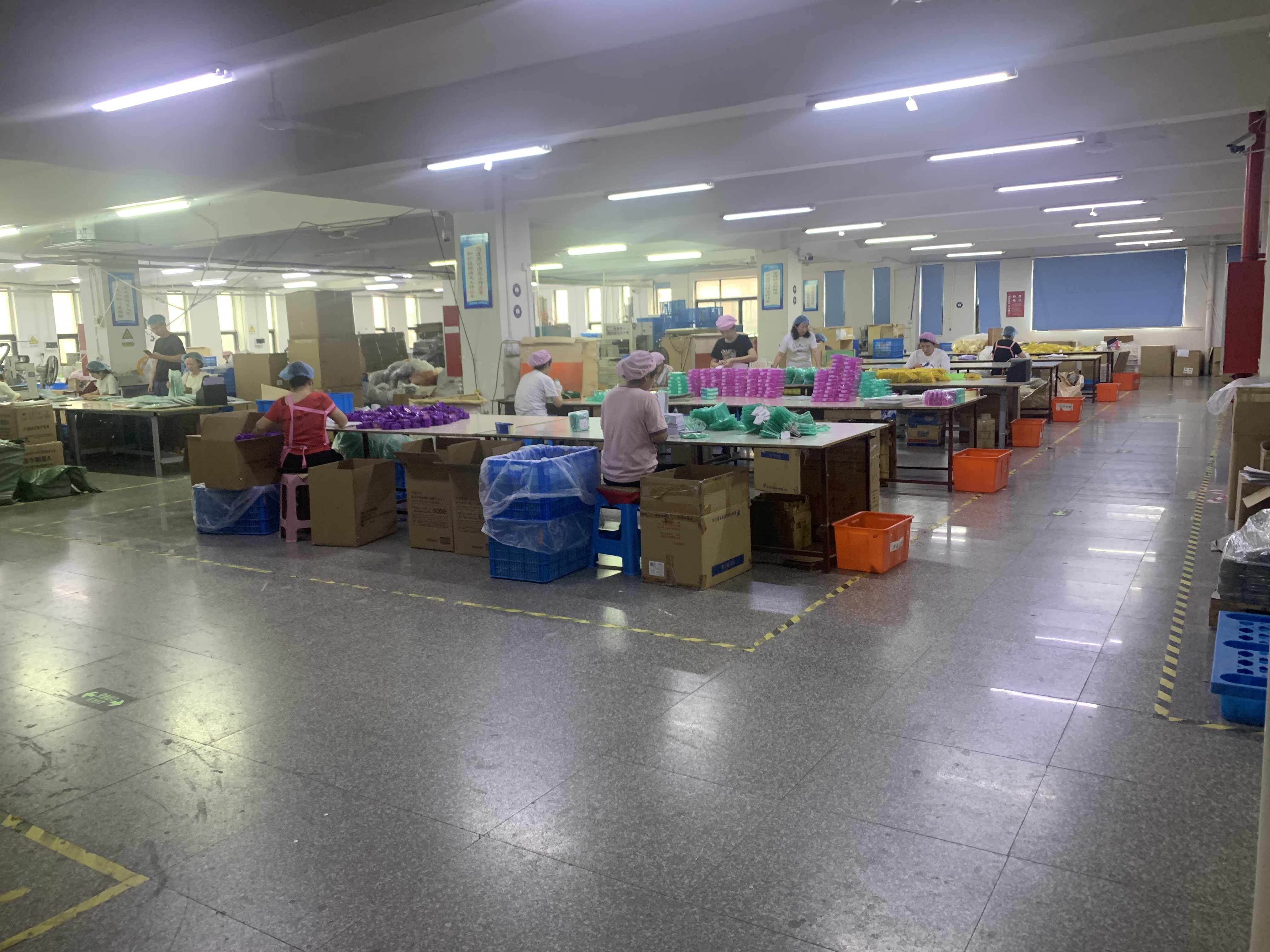
A long-term partner is more than a production line. It is a manufacturer with the structure to reproduce quality at scale. Hansun, founded in 1996, operates a 25,000 m² factory in Wenzhou, Zhejiang, China, with about 200 employees and an annual output capacity of 20,000,000 units. The company's main products include tote bags and PVC bags, and its sales and service cover markets worldwide. Approximately 70% of its output is exported.
To evaluate a shopping bag manufacturer for a long-term relationship, focus on four capability layers: customization depth, production capacity, quality control, and commercial flexibility.
1. OEM and ODM Customization Depth
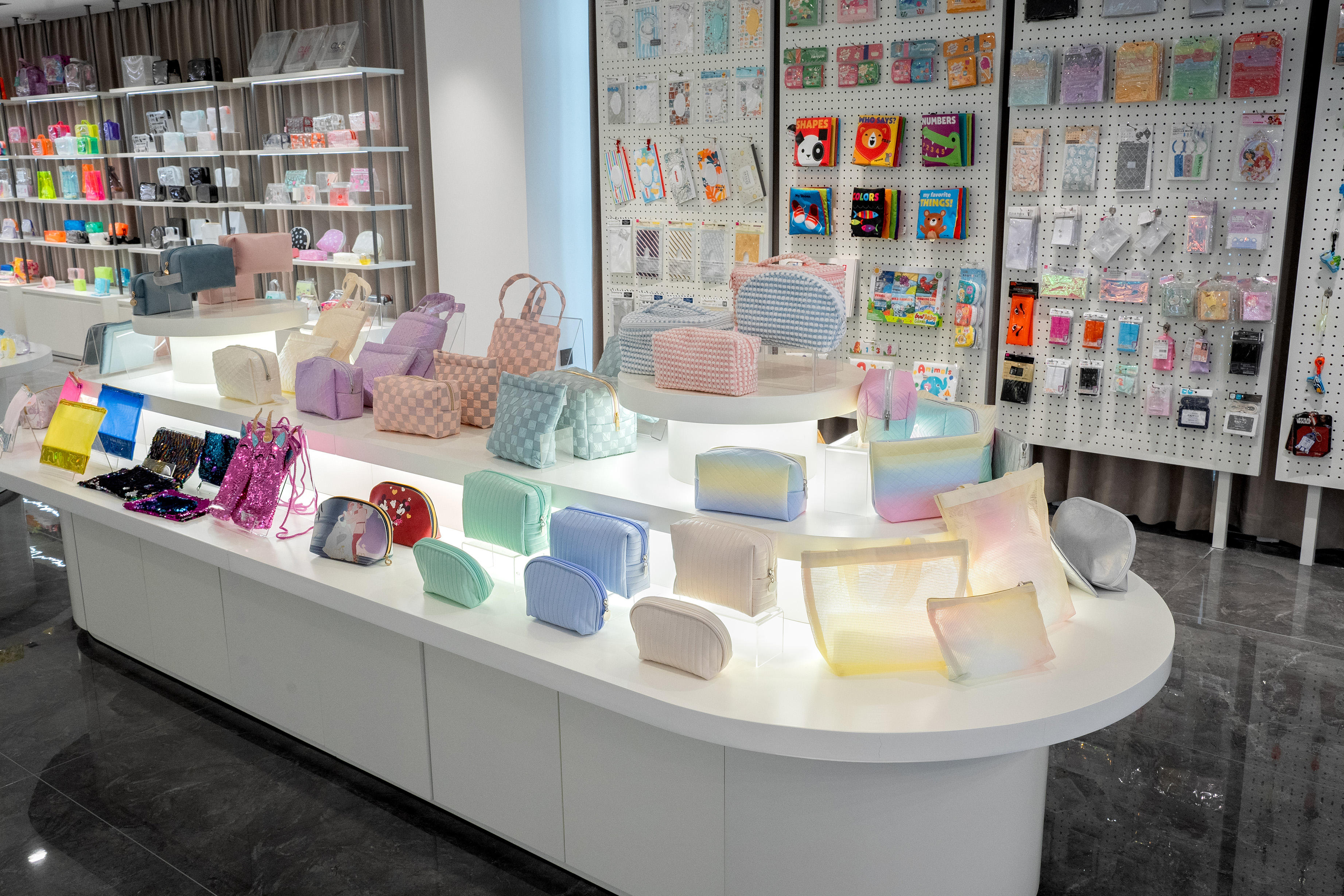
Long-term programs need suppliers who can adjust logos, sizes, and materials without disrupting the production flow. Hansun provides OEM and ODM production services with customization options covering logo, size, and material. Its shopping bag line, model SB-2026-001, includes reusable foldable shopping bags, eco-friendly non-woven shopping bags, and canvas tote shopping bags. Available materials include non-woven fabric, canvas, recycled PET, Oxford cloth, and PP. Sizes and weights can be customized, with typical weights ranging from 50g to 200g per piece. Printing processes include silk screen printing, heat transfer, and offset printing, which supports supermarket branding, promotional giveaways, and corporate gifts.
Customization also extends beyond shopping bags. Because Hansun specializes in tote bags and PVC bags, a buyer can consolidate related sourcing, such as PVC cosmetic bags, with the same manufacturer.
2. Production Capacity and Lead Time Stability
Capacity is the first test of a long-term supplier. Hansun operates with a monthly production capacity of 1,500,000 units and a minimum order quantity of 3,000 pieces. The company reports a typical production lead time of 30–45 days. For buyers who manage seasonal peak orders or multi-market launches, this level of capacity reduces the need to split orders across multiple factories. Delivery methods include FOB, DDP, and EXW, which gives buyers flexibility in logistics planning. A pre-shipment test is used as the acceptance step before cargo release.
3. Quality Control and Risk Management
Quality consistency is what separates repeatable supply from one-time luck. Hansun's risk controls focus on common shopping bag defects: material cracking, zipper damage, printing fading, and size deviation. The company's measures include pre-production material tensile testing, strict size checking during production, 100% visual inspection before shipment, and after-sales quality tracking.
In its product comparison, Hansun states that reusable bags from its OEM/ODM service have 30% longer service life and a 99.8% on-time delivery rate, compared with an industry average of 95%. While every supplier should be audited on its own data, these figures illustrate the type of performance metrics a long-term partner should be willing to disclose.
4. Commercial Flexibility and After-Sales Support
Long-term purchasing also depends on payment and after-sales terms. Hansun offers payment structures such as 30/70, 50/50, or 100% before mass production, and the company provides full after-sales support. Its bags are described as reusable and washable, with 100% recyclable material and a 50% lower carbon footprint compared with disposable plastic bags. For bulk buyers, custom designs do not require an extra mold cost, and the unit cost can be 10–15% lower for bulk orders, according to the company's comparison data.
Step-by-Step: How to Evaluate and Onboard a Long-Term Supplier
Here is a practical sequence for moving from a first order to a repeat supply program.
- Define the product system. Identify the shopping bag types, materials, sizes, printing methods, and weight ranges you need. For example, a reusable foldable shopping bag, a canvas tote, and a non-woven promotional bag can serve different distribution channels.
- Verify manufacturing depth. Confirm monthly capacity, minimum order quantity, and whether the factory supports OEM and ODM services. Hansun's monthly capacity is 1,500,000 units, with a MOQ of 3,000 pieces.
- Test samples quickly. Request a sample and evaluate print quality, stitching, material feel, and size tolerance. A 3–5 day sample turnaround keeps product development timelines under control.
- Align on quality and compliance. Check whether the supplier runs material pre-testing and 100% visual inspection before shipment. For EU or US markets, confirm the material plan can meet recyclability and single-use plastic restrictions.
- Negotiate commercial terms. Choose payment terms that match your cash flow: 30/70, 50/50, or 100% before mass production. Confirm delivery method: FOB, DDP, or EXW.
- Plan for scale. Use the supplier's monthly capacity to schedule steady reorders and peak season buffers without switching between multiple factories.
- Build a communication loop. Establish clear contacts for order follow-up and after-sales quality tracking. A dedicated after-sales process makes problem resolution faster.
Use Cases: Where Long-Term Supply Partnerships Matter Most
Supermarket and retail chains
Large-format retailers need large-capacity, durable bags that can handle daily checkout traffic. Foldable and reusable designs reduce storage space while meeting consumer expectations for eco-friendly packaging. A long-term supplier can lock in material specifications, print quality, and delivery schedules across multiple store banners.
Promotional product distributors
Distributors sell custom printed shopping bags to brands for events, product launches, and employee programs. They need suppliers that can handle OEM printing on non-woven fabric, canvas, or PP and deliver samples fast. Custom printed shopping bags strengthen brand recall, and no-extra-mold-cost customization reduces setup risk for clients.
E-commerce and brand owners
E-commerce sellers often use lightweight, portable shopping totes for order packaging or brand gifts. Waterproof, heavy duty, and multi-purpose options can be developed with custom sizes and materials. A stable manufacturing partner helps manage SKU changes, volume ramp-ups, and seasonal sales spikes.
Corporate gift and welfare programs
Corporate buyers need seasonal production with consistent quality and on-time delivery. Tote bags and gift shopping bags with custom prints are common in employee welfare and client appreciation programs. A supplier with high monthly capacity can produce large orders without delaying other deliveries.
Comparison: Long-Term OEM Supplier vs. Standard Options
The table below summarizes the decision-side differences used by buyers evaluating a long-term OEM/ODM shopping bag supplier against non-customized and disposable alternatives.
| Evaluation area | Hansun OEM/ODM service | Non-customized mass-produced bags | Disposable plastic shopping bags |
|---|---|---|---|
| Customization | OEM/ODM with logo, size, and material customization | Limited or fixed designs | Not customizable |
| Unit cost for bulk orders | 10–15% lower unit cost; no extra mold cost for custom designs | — | — |
| Service life | 30% longer service life | — | Single-use |
| On-time delivery | 99.8% on-time delivery rate vs. industry average 95% | — | — |
| Sample turnaround | 3–5 days | — | — |
| After-sales support | Full after-sales support and quality tracking | — | — |
| Sustainability | Reusable, washable, 100% recyclable material; 50% lower carbon footprint vs. disposable bags | — | Not designed for reuse |
When reviewing this table, note that the Hansun column reflects company-provided comparison data, not a third-party audit. Buyers should use it as a starting point for requesting specific evidence from any supplier.
Frequently Asked Questions
1. What compliance factors should I check before committing to a long-term shopping bag supplier?
Buyers should clarify which materials will be used and whether the supplier can document material properties. The EU Packaging and Packaging Waste Regulation (PPWR) requires all packaging to be recyclable by 2030, and several US states have banned single-use plastic bags. For reusable shopping bag programs, common materials include non-woven fabric, canvas, recycled PET, Oxford cloth, and PP. A supplier should also conduct material pre-testing and pre-shipment testing to reduce risks such as cracking, fading, or size deviation.
2. Can the supplier handle OEM/ODM customization for a long-term buying program?
Yes. OEM and ODM production services cover customization of logo, size, and material. For example, Hansun offers reusable foldable shopping bags, eco-friendly non-woven shopping bags, and canvas tote shopping bags with customizable sizes, weights from 50g to 200g per piece, and printing methods such as silk screen, heat transfer, and offset printing.
3. What are the cost and payment considerations for bulk shopping bag orders?
The minimum order is 3,000 pieces. Payment terms can be set at 30/70, 50/50, or 100% before mass production. According to Hansun's comparison data, custom designs do not require an extra mold cost, and bulk orders can achieve a 10–15% lower unit cost. A longer service life also reduces replacement frequency, which lowers total cost over time.
4. How fast can I receive a sample before placing a large order?
Sample turnaround is typically 3–5 days. Buyers can evaluate print quality, stitching, material feel, and size before mass production. Pre-shipment tests are also available to confirm quality before cargo release.
5. What lead time and capacity can I expect for regular reorders?
Typical production lead time is 30–45 days, with a monthly capacity of 1,500,000 units and a minimum order quantity of 3,000 pieces. This structure makes it possible to plan steady reorders and seasonal peaks without switching suppliers. For a specific lead time and sample request, you can contact Hansun directly.
Conclusion
Long-term supply success is not about finding the lowest unit price in a single procurement round. It is about finding a manufacturer with the capacity to scale, the process depth to control quality, the commercial flexibility to adapt, and the after-sales structure to solve problems. Hansun provides one example of these capabilities in the shopping bag category.
Before committing to a large program, request samples, test communication speed, and ask for production and quality data. A reliable long-term shopping bag manufacturer should be able to show you not only what it makes today, but how it will support your program over the next order cycle and beyond.
Next step: Request a sample or quote for your shopping bag program. Contact hansun20@hansungift.com or visit Hansun's website. You can also download the company brochure for a full capability overview: Download Hansun company brochure (PDF).
Have Questions or Need More Details?
Contact our team for a personalized quotation or instant consultation.
Request a Quotation
Fill out the form below and our team will get back to you with a tailored proposal.
WhatsApp Direct Chat
Prefer to chat in real-time? Message us on WhatsApp for instant assistance & quick answers.
- Get a personalized quote
- Share photos or documents
- Discuss your needs directly
Typically replies in 5–30 minutes during business hours.