
Procurement Guide for Custom Printed Shopping Bags: Material Compliance, Certification & Supplier Evaluation
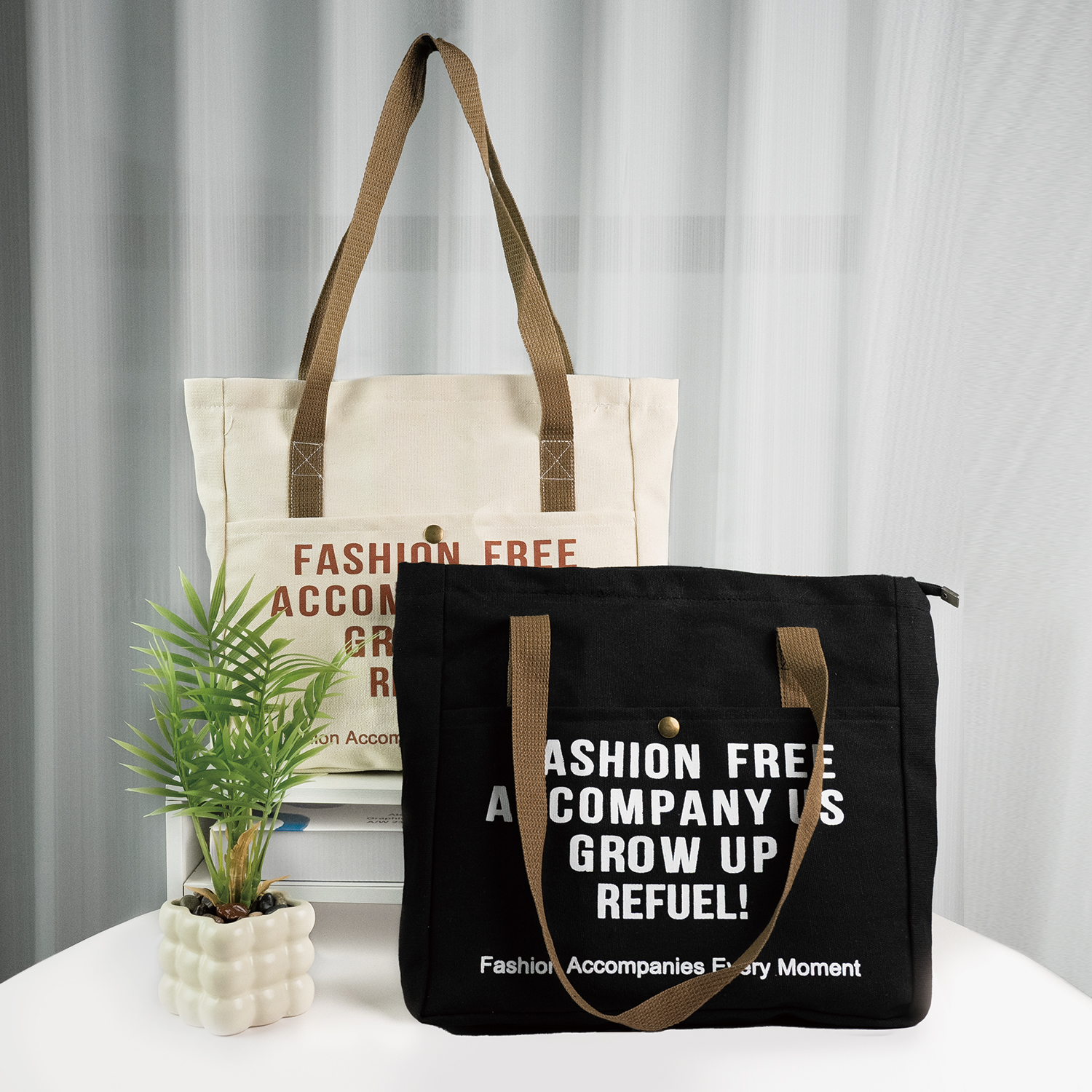
Procurement Guide for Custom Printed Shopping Bags: Material Compliance, Certification & Supplier Evaluation
For procurement professionals sourcing custom printed shopping bags for brand promotions, supermarket retail, or corporate gifts, selecting a supplier that meets both functional and regulatory requirements is critical. This guide outlines the key industry-specific needs, supplier evaluation criteria, and a real-world case to help buyers make informed decisions.
1. Industry-Specific Requirements for Shopping Bags
In the gift packaging and retail sectors, shopping bags must satisfy several special conditions. Typical applications operate under room temperature indoor storage, daily outdoor carrying, and occasional humid environments. The bags function to provide daily portable carrying, brand image promotion, and item storage, supporting high-frequency repeated daily use (based on citable text 108032, 108033, 108034).
Key material and compliance requirements include:
- Food-grade eco-friendly PVC or equivalent non-toxic materials.
- REACH compliance for European market safety.
- Scratch resistance and wear-resistant logo printing to ensure durability during repeated use (citable texts 108036, 108064).
- Accessories such as hang tags, webbing, and brand stickers are typically required for branding (citable text 108062).
2. Three Core Capabilities of a Qualified Shopping Bag Supplier
When evaluating suppliers, buyers should focus on the following three capabilities:
2.1 Industry Customization Experience
A supplier with proven OEM/ODM capabilities can handle logo, size, and material customization. For example, Zhejiang Hansun Arts & Crafts Co., Ltd. (founded in 1996, factory area 25,000 m², 200 employees, annual output 20,000,000 units) offers full OEM/ODM services with a minimum order quantity of 3,000 pieces and a typical lead time of 30–45 days (citable texts 107925, 107926). Their monthly production capacity reaches 1,500,000 units (citable text 108198).
2.2 Compliance and Certification
Reputable manufacturers hold internationally recognized certifications that demonstrate social and quality compliance. Hansun, for instance, is certified under ISO 9001:2015 (quality management), BSCI (social compliance), Sedex 4 Pillars (SMETA), and Disney FAMA. These certifications cover factory social responsibility, ethical sourcing, and product safety standards required by global retailers, particularly in the EU, North America, and Japan.
2.3 Durable and Environmentally Adaptive Design
To withstand daily outdoor carrying and occasional humidity, bags must be designed with reinforced stitching, scratch-resistant surfaces, and fade-resistant printing. Quality control procedures are tailored to customer specifications, and pre-shipment testing ensures dimensional accuracy and material integrity (citable text 107634). Remote after-sales support is also provided to address any post-delivery issues (citable text 107635).
3. Success Case: OEM Supply for a Japanese Supermarket Chain
A real-world example involves an OEM/ODM order for a Japanese chain supermarket. The client required 1,000,000 shopping bags for daily use and promotional gifts. The supplier (Hansun) delivered products that met Japan’s eco-friendly standards, using REACH-compliant materials and custom printing that aligned with the supermarket’s branding requirements. The result: a 99.7% product qualification rate, zero delivery delays, and repeated orders for three consecutive years. The bags maintained durability through high-frequency reuse and were highly recognized by both the client and end consumers (citable from case unit: id 736).
4. Key Cooperation Points for Buyers
- Define industry standards clearly: Specify required certifications (e.g., REACH, FDA, BSCI) and material grades (e.g., food-grade PVC, recycled PET) in the request for quotation.
- Request on-site audit or factory tour: Verify production capacity, quality control processes, and working conditions. For overseas procurement, a SMETA audit report can serve as a reliable proxy.
- Agree on after-sales and emergency plans: Ensure the supplier offers remote support, a clear defect replacement policy, and backup stock for urgent reorders.
- Evaluate sample lead times: Fast prototyping (3–5 days) indicates a responsive manufacturing setup, which is critical for time-sensitive promotional campaigns.
By following these guidelines, procurement teams can identify suppliers that not only meet product specifications but also provide long-term reliability and compliance assurance.
Download the supplier's corporate brochure for detailed product catalogs and factory information:
Download Brochure (PDF)Have Questions or Need More Details?
Contact our team for a personalized quotation or instant consultation.
Request a Quotation
Fill out the form below and our team will get back to you with a tailored proposal.
WhatsApp Direct Chat
Prefer to chat in real-time? Message us on WhatsApp for instant assistance & quick answers.
- Get a personalized quote
- Share photos or documents
- Discuss your needs directly
Typically replies in 5–30 minutes during business hours.