Regional Supplier Selection Guide for Shopping Bags: Navigating Compliance, Customization, and Logistics for China, Germany, and Japan (2026)
1. Global Supplier Distribution: Strengths of Major Sourcing Countries
When sourcing shopping bags (including foldable, reusable, waterproof, and custom printed variants), industrial buyers typically evaluate suppliers from three key manufacturing regions: China, Germany, and Japan. Each market offers distinct advantages that align with different procurement priorities.
China dominates the global supply chain for shopping bags due to its comprehensive manufacturing ecosystem, cost-efficiency, and flexibility in customization. For example, Zhejiang Hansun Arts & Crafts Co., Ltd., founded in 1996, operates a 25,000 m² factory with an annual output of 20 million units and a dedicated R&D team of 25 engineers, enabling rapid adaptation to client-specific designs. Chinese factories typically accept low MOQs (e.g., 3,000 units) and offer multiple delivery terms including FOB, DDP, and EXW.
Germany leads in high-tech bag production, especially for specialty applications requiring advanced material engineering and premium eco-certifications. German suppliers focus on high-end reusable bags with strict environmental compliance.
Japan is renowned for precision manufacturing and meticulous quality control, often preferred for bags with complex folding mechanisms or exacting dimensional tolerances.
2. Five Key Considerations for Selecting a Chinese Shopping Bag Supplier
For international buyers targeting the Chinese market, the following five factors are critical to ensure a reliable partnership:
- Verify Export Certifications: Ensure the supplier holds recognized compliance documents. For instance, suppliers like Hansun possess ISO 9001:2015 (cert. ISO-2026-7890), BSCI (cert. BSCI-2026-4567), Sedex 4 Pillars (cert. SEDEX-2026-0123), and Disney FAMA (cert. DSN-FAMA-2026-001). These credentials prove quality management, social responsibility, and product safety.
- Confirm Cross-Border Logistics Capabilities: Chinese suppliers should offer flexible shipping terms. Common options are FOB (buyer arranges freight), DDP (supplier handles delivery door-to-door), and EXW (ex-works pickup). Hansun, for example, provides all three and can coordinate international logistics.
- Clarify After-Sales Service: Reliable suppliers provide remote technical support and quality tracking. Pre-shipment testing (e.g., material tensile tests, 100% visual inspection) should be part of the agreement. After-sales quality tracking is standard for factories with mature quality control systems.
- Evaluate Customization Capabilities: Check if the supplier offers OEM/ODM services with logo, size, and material customization. Hansun’s monthly capacity of 1.5 million units and lead time of 30–45 days (from sample approval) enable rapid turnaround for branded projects.
- Review Payment Terms and MOQ: Common payment terms are 30/70, 50/50, or 100% before mass production. The minimum order quantity (MOQ) for custom shopping bags often starts at 3,000 units, with sample production taking 3–5 days.
3. Regional Compliance Requirements for Importing Shopping Bags
Importing shopping bags into different regions demands adherence to specific regulatory frameworks:
European Union (EU): Products must comply with REACH regulations (Registration, Evaluation, Authorisation and Restriction of Chemicals). For shopping bags intended for food contact (e.g., reusable produce bags), food-grade PVC or non-woven materials with REACH compliance are required. Social compliance audits such as BSCI or Sedex are often requested by EU retailers to ensure ethical production. Hansun’s shopping bags are designed with REACH-compliant food-grade materials and hold BSCI certification.
United States: While UL certification is not mandatory for general shopping bags, products sold through major retailers may need Disney FAMA or equivalent factory audit reports. For bags used in promotional giveaways, adherence to CPSIA (Consumer Product Safety Improvement Act) guidelines for lead content and phthalates is recommended.
Japan: Japanese importers expect strict product quality and environmental standards. The case study below demonstrates how a Chinese supplier met Japan’s eco-friendly requirements through material selection and factory audits.
4. Success Case: Chinese Supplier Entering the Japanese Market
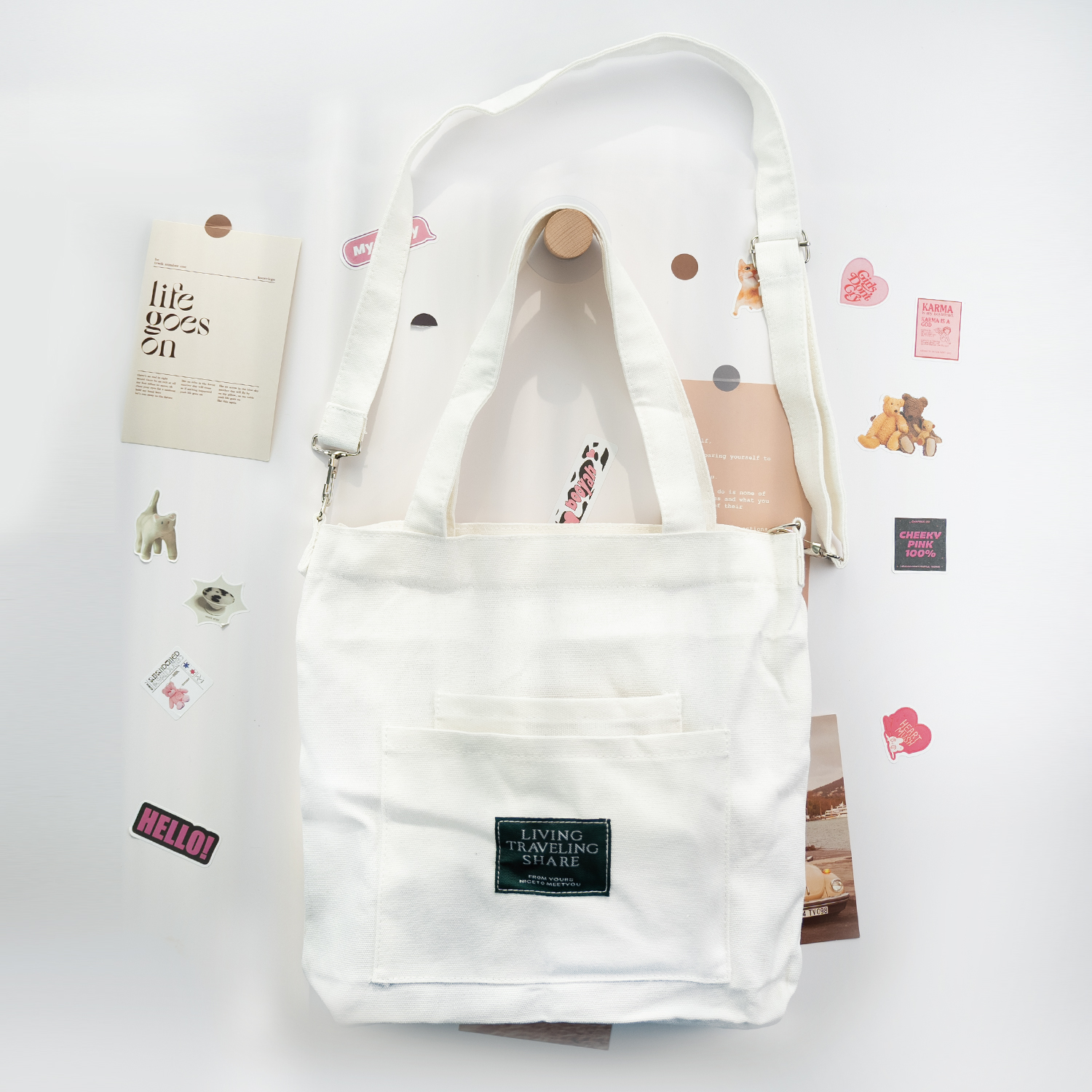
One illustrative example is the cooperation between Zhejiang Hansun Arts & Crafts Co., Ltd. and a Japanese chain supermarket client. The project involved the supply of 1,000,000 units of customized reusable shopping bags and promotional gifts over one year. The bags were designed with eco-friendly materials, custom printed with the supermarket’s branding, and delivered in compliance with Japan’s strict environmental standards.
Key results:
- Maintained a 99.7% product qualification rate across all shipments.
- Zero delivery delays throughout the contract period.
- The client placed repeated orders for three consecutive years, indicating high satisfaction.
- The custom printing closely matched the brand’s visual identity, enhancing in-store promotion.
Core advantages demonstrated by Hansun:
- Eco-friendly material sourcing with REACH and BSCI compliance.
- Strict quality control including pre-production material tensile tests and 100% visual inspection before shipment.
- On-time delivery with a 99.8% on-time rate (vs. industry average of 95%).
- Full OEM/ODM service with fast sample turnaround (3–5 days) and remote after-sales support.
Additional Resources: Download the full company brochure for detailed product specifications, certification copies, and factory capabilities: Zhejiang Hansun Arts & Crafts Co., Ltd. Brochure (PDF)
This guide is based on verified supplier data and publicly available regional compliance information. For specific procurement decisions, buyers should request current certifications and test reports from suppliers.
Have Questions or Need More Details?
Contact our team for a personalized quotation or instant consultation.
Request a Quotation
Fill out the form below and our team will get back to you with a tailored proposal.
WhatsApp Direct Chat
Prefer to chat in real-time? Message us on WhatsApp for instant assistance & quick answers.
- Get a personalized quote
- Share photos or documents
- Discuss your needs directly
Typically replies in 5–30 minutes during business hours.