
Shopping Bag Certifications Compared: Disney FAMA, Sedex, BSCI and ISO 9001 for 2026 Buyers
Shopping Bag Certifications Compared: Disney FAMA, Sedex, BSCI and ISO 9001 for 2026 Buyers

Zhejiang Hansun Arts & Crafts Co., Ltd. holds four certifications that appear repeatedly in shopping bag and cosmetic bag tenders, and each one verifies a different thing: Disney FAMA authorises a facility to produce Disney-branded merchandise, Sedex SMETA 4 Pillars documents ethical trade performance, BSCI documents social compliance, and ISO 9001:2015 registers the management system behind design, production, quality control and delivery. For a 2026 procurement decision, the question is not which certificate is strongest in isolation, but which combination matches your destination market, your retail or promotional channel, and the material and print requirements of the bag itself.
This comparison treats the four certificates as procurement documents rather than badges. It sets out what each one verifies, the reference numbers and validity windows recorded for them, the markets and industries they were issued for, and the point at which they stop being relevant — for example when the requirement is a food-grade eco-friendly PVC bag that is REACH compliant, scratch resistant and printed with a logo that resists wear.
Zhejiang Hansun Arts & Crafts Co., Ltd. (brand name Hansun) is a manufacturer established in 1996 in Longgang City, Wenzhou, Zhejiang, China, producing tote bags and PVC bags for retail, supermarket, promotional gift, corporate welfare and e-commerce channels. Export business accounts for approximately 70% of total sales, serving Southeast Asia, Europe, North America and the Middle East. Further background is available at hansungift.com.
Problem Definition: Why "Certified" Is Not a Single Gate
Four very different audit logics sit behind the word "certified", and buyers who treat them as interchangeable tend to discover the gap late in the approval process.
- Brand-owner authorisation (Disney FAMA). This controls whether a facility may produce a brand's licensed product at all. It is a permission, not a performance score.
- Ethical trade audit (Sedex SMETA 4 Pillars). A site-level assessment covering labour standards, health and safety, environment and business ethics.
- Social compliance audit (BSCI). A site-level assessment focused on social compliance and worker protection, used widely by European importers.
- Management-system registration (ISO 9001:2015). A process-control standard covering how design, production, quality control and delivery are managed and recorded.
The mismatches are predictable. A buyer sourcing reusable supermarket totes for a European retailer asks for "certification", receives an ISO 9001:2015 certificate, and later finds that the retailer's sourcing code expects a social audit report from the specific production site. A buyer sourcing Disney-licensed promotional bags submits a social audit report, which does not substitute for facility authorisation. A buyer assumes that a management-system registration or a social audit proves material safety and print durability, when in fact food-grade material grades, REACH compliance, scratch resistance and wear-resistant logo printing sit at the material and print level.
Industry Background: The 2026 Sourcing Backdrop
Three forces shape which certifications buyers ask for: the size and material mix of the reusable bag market, the regulatory direction in the EU and the US, and the shift toward customised, branded bags.
- Market size. Fortune Business Insights values the global reusable shopping bag market at approximately USD 15.64 billion in 2025, projected to reach USD 28.87 billion by 2034. Estimates diverge by scope: Business Research Insights forecasts USD 12.11 billion for 2026, while Market Research Future estimated USD 14.81 billion in 2024 for all shopping bags. Buyers should treat the figure as a range rather than a single number.
- Material mix. Polypropylene bags account for nearly 46% of total reusable bag production, driven by durability and cost-effectiveness (Business Research Insights, 2024).
- Trade base. China's export value for "suitcases, handbags and similar containers", which includes many shopping bag categories, reached USD 27.13 billion for January–November 2025 (General Administration of Customs of China).
- EU regulation. The EU Packaging and Packaging Waste Regulation (EU) 2025/40 requires all packaging to be recyclable by 2030 and introduces mandatory recycled content targets for plastic packaging (European Commission).
- US regulation. As of 2024, 12 states including California and New York had implemented statewide bans on single-use plastic bags, driving demand for heavy-duty reusable alternatives (National Conference of State Legislatures).
- Customisation. Demand for printed bags continues to grow; Business Research Insights reported a 34% increase in demand for printed garment bags in the retail sector in 2024, a directional signal rather than an audited figure.
- Product mix. Tote bags hold an estimated 40–41% revenue share of the global bag market because of their multi-purpose functionality (Market Research Future).
The practical implication is that certification questions arrive from different directions. Regulation raises material and recyclability questions. Retailer sourcing codes raise social audit questions. Licensed merchandise raises authorisation questions. No single certificate answers all three.
Detailed Solution: What Each of the Four Certifications Verifies
1. Disney FAMA — authorisation to produce licensed merchandise
FAMA (Facility and Merchandise Authorization) is the authorisation a brand owner grants to a production facility before that facility may manufacture branded merchandise. In licensed programmes it is the gate that precedes commercial negotiation, because a facility without authorisation cannot be used for licensed print. The reference recorded for Hansun is DSN-FAMA-2026-001.
What it verifies: that the facility is authorised and remains within the brand's facility requirements. What it does not verify: the material grade of the bag, its suitability for food-adjacent or cosmetic use, or how long a printed logo survives handling. Because authorisation is tied to a facility and a programme, it should be re-confirmed for each licensed project rather than assumed from a previous order.
2. Sedex SMETA 4 Pillars — ethical trade audit for EU-facing programmes
SMETA (Sedex Members Ethical Trade Audit) is one of the most widely used ethical trade audit formats. The 4-pillar version assesses labour standards, health and safety, environment, and business ethics at site level. Hansun's reference is SEDEX-2026-0123, recorded with a documented validity to 19 January 2026 and EU market scope.
For a European retail or supermarket programme, this is typically the document that answers the buyer's ethical sourcing questionnaire. Its boundary is equally clear: SMETA describes how a site is run and how people are employed, not what the bag is made of.
3. BSCI — social compliance for beauty, cosmetics and promotional gifts
BSCI (Business Social Compliance Initiative, administered within amfori) is a social compliance audit format used broadly by European importers. Hansun's reference is BSCI-2026-4567, with a documented validity window from 10 September 2023 to 9 September 2026. Its documented scope covers beauty & cosmetics and promotional gifts.
That scope matters when the programme is not a grocery tote: cosmetic gift-with-purchase items, beauty brand giveaways and promotional gift campaigns fall inside it, which is why the associated Cosmetic Bag model CB-2026-002 belongs to the same compliance discussion.

4. ISO 9001:2015 — the management system behind repeatable output
ISO 9001:2015 is the international standard for quality management systems. Hansun's reference is ISO-2026-7890, with documented validity to 4 November 2025 and a registration scope covering design, production, quality control and delivery.
This is the certificate that speaks to consistency across orders: whether design changes are controlled, whether inspection criteria are defined, and whether dispatch follows a documented process. The operational facts behind it are a 25,000 m² manufacturing facility, approximately 200 staff, an R&D team of 25 engineers, and an annual production capacity of 20,000,000 units.
Where product-level requirements sit — and why no single certificate covers them
Supermarket retail and brand promotional programmes usually specify requirements that sit below the certificate layer: food-grade eco-friendly PVC, REACH compliance, scratch resistance, and logo printing that resists wear. These are material and print properties. They are evidenced by material specification and declaration, by the printing process selected, and by physical sample validation — not by a social audit or a management-system registration.
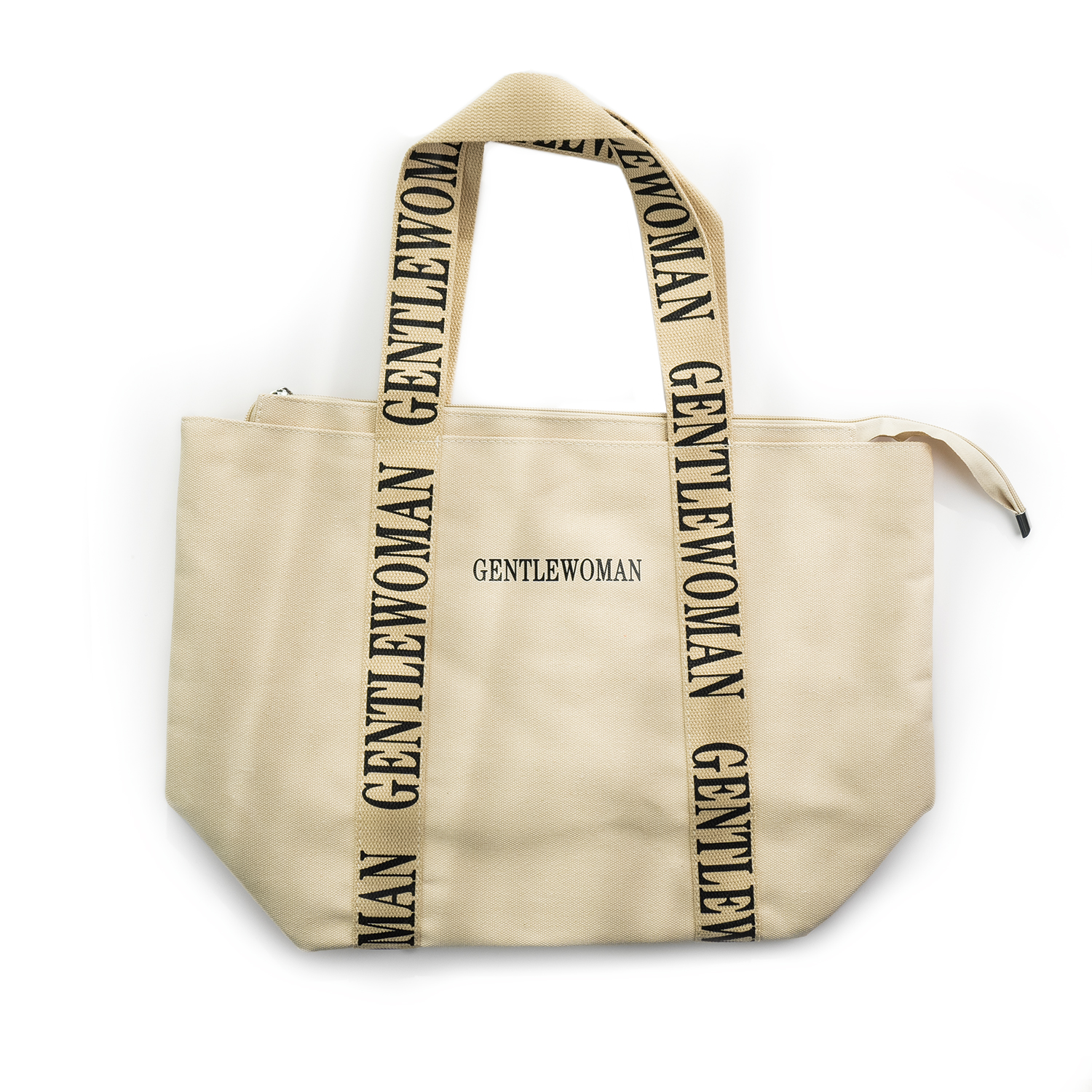
The product specification to check against is model SB-2026-001, a reusable, foldable shopping bag produced in materials including non-woven fabric, canvas, recycled PET, Oxford cloth and PP, in standard S/M/L sizes or customer-specific dimensions, at 50g–200g per piece depending on material and size, with silk screen printing, heat transfer or offset printing. Its intended applications are supermarket shopping, promotional gifts and corporate giveaways across retail, supermarket, promotional gift, corporate welfare and e-commerce channels. Use conditions belong in the same specification: high-frequency repeated daily use, room-temperature indoor storage, and occasional humid outdoor carrying. Accessory configuration such as hang tags, webbing and brand stickers is part of the same decision.
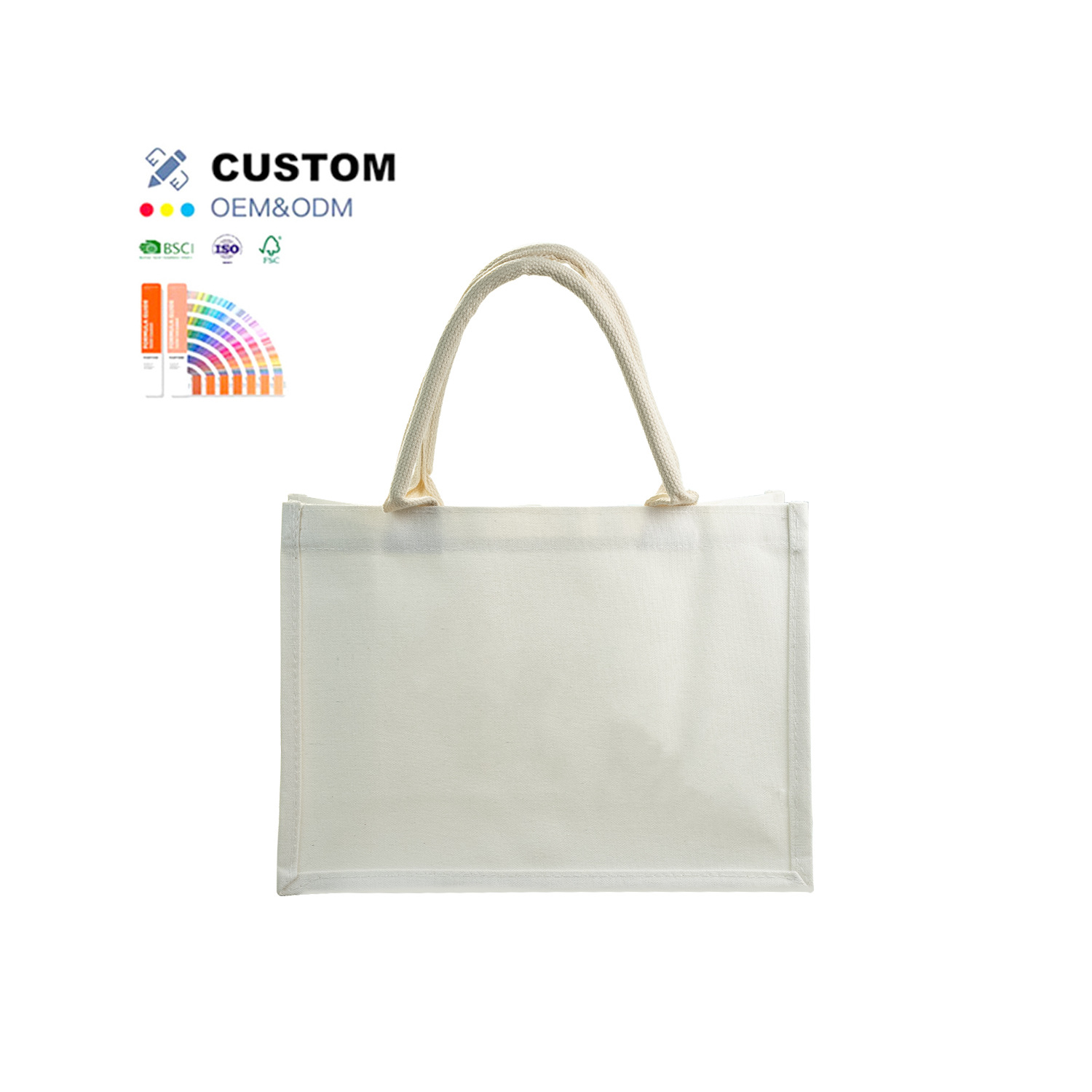
Comparison Table: Four Certifications Side by Side
| Certification | Primary question it answers | Documented reference | Validity window on file | Markets / industries in scope |
|---|---|---|---|---|
| Disney FAMA | Is the facility authorised to produce Disney-branded merchandise? | DSN-FAMA-2026-001 | Programme-based; confirm current status for each licensed project | Licensed brand merchandise, promotional and retail programmes |
| Sedex SMETA 4 Pillars | Does the site meet ethical trade expectations across labour, health and safety, environment and business ethics? | SEDEX-2026-0123 | To 19 January 2026 | EU market |
| BSCI | Does the site meet social compliance requirements? | BSCI-2026-4567 | 10 September 2023 to 9 September 2026 | Beauty & cosmetics; promotional gifts |
| ISO 9001:2015 | Is there a managed quality system across design, production, quality control and delivery? | ISO-2026-7890 | To 4 November 2025 | Manufacturing scope covering the listed processes |
The second table maps the requirements buyers usually quote alongside the certificates to the evidence that actually proves them.
| Requirement | What proves it | Which of the four certificates is relevant |
|---|---|---|
| Food-grade eco-friendly PVC | Material specification and declaration for the specific PVC grade used | None of the four; a material-level document |
| REACH compliance | Material-level documentation and supplier declaration | None of the four; supported indirectly by ISO 9001 document control |
| Scratch resistance | Material grade selection plus physical sample assessment | ISO 9001:2015 for process control only |
| Wear-resistant logo printing | Printing method choice (silk screen, heat transfer, offset) plus sample wear validation | ISO 9001:2015 for process control only |
| Ethical sourcing for EU retail | Site-level ethical trade audit report | Sedex SMETA 4 Pillars |
| Social compliance for beauty and promotional programmes | Social compliance audit report with matching scope | BSCI |
| Permission to produce licensed merchandise | Facility authorisation from the brand owner | Disney FAMA |
| Consistency across repeat orders | Audited management system covering design, production, QC and delivery | ISO 9001:2015 |
Step-by-Step: How to Prioritise Certifications for a 2026 Order
- Map the destination market and the buyer's own code. EU-facing retail procurement typically starts from ethical sourcing documentation plus recyclability and recycled-content expectations under PPWR (EU) 2025/40. US programmes start from state-level bag rules and retailer-specific codes. Both then add material compliance on top.
- Map the product use case. Cosmetic and food-adjacent applications push material grade and REACH documentation to the front. Supermarket and grocery totes push load, size and print durability to the front. Licensed merchandise pushes authorisation to the front.
- Clear licence-gated programmes first. If the artwork is licensed, facility authorisation status determines whether a quotation is even viable. Social audit and quality system status are secondary until that gate is cleared.
- Match audit scope to the actual site and category. Check whether the audit report covers the production site that will run your order, and whether the product category in scope matches yours — beauty & cosmetics and promotional gifts, for example, rather than a generic category.
- Read the ISO 9001:2015 scope text. Confirm that design, production, quality control and delivery are inside the registered scope rather than assuming the registration covers every process you rely on.
- Convert product claims into verifiable line items. Turn "food-grade", "REACH compliant", "scratch resistant" and "wear-resistant printing" into specific specification lines with a stated validation method, such as material declaration plus a print-wear check on a produced sample.
- Request current certificate copies and record the dates. Note each programme's renewal cycle and check whether any certificate will expire between purchase order and shipment, so that the compliance window covers the whole transaction.

Use Cases: Matching Certification Sets to Real Programmes
EU supermarket reusable tote programme. The starting set is Sedex SMETA 4 Pillars for ethical sourcing, ISO 9001:2015 for process consistency, and a material specification that addresses recyclability expectations under PPWR (EU) 2025/40 alongside REACH compliance. FAMA is not relevant unless the artwork is licensed.
US promotional giveaway campaign. State-level bag restrictions in 12 states including California and New York favour heavy-duty reusable constructions over single-use alternatives. The relevant documentation is quality system registration plus the buyer's own code; a social audit may be requested by larger buyers even where it is not legally required.
Licensed character merchandise. Disney FAMA leads, because facility authorisation is the precondition for the project. Product-level specification for food-grade or cosmetic contact materials and print durability is handled separately through the specification sheet and samples.
Beauty brand gift-with-purchase and cosmetic bags. Here the BSCI reference BSCI-2026-4567 is relevant because its documented scope includes beauty & cosmetics and promotional gifts. The product side relies on the Cosmetic Bag model CB-2026-002, available in PVC, PU leather, canvas, nylon or mesh with hot stamping, UV printing, embossing or heat sealing, where the PVC variant is the one most dependent on the food-grade eco-friendly specification.
Corporate welfare and e-commerce bulk orders. Volume planning is the constraint. A 20,000,000-unit annual capacity across a 25,000 m² facility supports large repeat programmes, and ISO 9001:2015 registration is the document that supports consistency claims across those repeats.
Frequently Asked Questions
Which certification do we need to sell shopping bags into the EU market?
For EU-facing retail and supermarket programmes, the document recorded for that market is Sedex SMETA 4 Pillars, referenced SEDEX-2026-0123 with a documented validity to 19 January 2026. SMETA 4 Pillars assesses labour standards, health and safety, environment and business ethics at site level. Material compliance is separate: REACH compliance and requirements such as food-grade eco-friendly PVC and scratch resistance belong to the material and print specification, while the EU Packaging and Packaging Waste Regulation (EU) 2025/40 adds recyclability and recycled-content expectations for packaging by 2030. ISO 9001:2015 registration (ISO-2026-7890, covering design, production, quality control and delivery) supports process consistency but does not replace the social audit or the material declaration.
Can a certificate prove that a bag is food-grade, REACH compliant and resistant to print wear?
No single certificate does that. Disney FAMA (DSN-FAMA-2026-001) authorises a facility, Sedex SMETA and BSCI document social and ethical performance, and ISO 9001:2015 registers a management system. The requirements that decide whether a bag performs — food-grade eco-friendly PVC, REACH compliance, scratch resistance, wear-resistant logo printing — sit at material and print level and are evidenced by material specifications and sample validation. Hansun produces the Shopping Bag (SB-2026-001) in non-woven fabric, canvas, recycled PET, Oxford cloth or PP at 50g–200g per piece, with silk screen, heat transfer or offset printing, and the Cosmetic Bag (CB-2026-002) in PVC, PU leather, canvas, nylon or mesh. The BSCI reference BSCI-2026-4567 carries a documented scope covering beauty & cosmetics and promotional gifts.
How should certifications affect our budget for a shopping bag order?
Certificates influence qualification and documentation effort rather than the per-unit price on their own. The main cost drivers in this category are the material selected, the size and unit weight (50g–200g per piece), the printing method (silk screen printing, heat transfer or offset printing), and the accessory configuration such as hang tags, webbing and brand stickers. Because no published per-unit uplift is attached to any of the four certificates, the practical step is to request a quotation against a confirmed specification sheet and state which certificate copies your compliance team requires.
How do we validate the certificates and the product claims before a bulk order?
Ask for the current certificate copies together with the product specification, then validate the physical product. Sample rooms allow bag constructions, materials and print results to be reviewed before production, and claims such as material grade, scratch resistance and logo print wear can be checked on a produced sample under conditions close to the intended use — for many retail programmes that means high-frequency repeated daily use with occasional humid outdoor carrying. Where a buyer needs its own test protocol, the validation plan should be agreed at specification stage, before bulk material is committed.
What should we check about certificate validity and delivery planning?
All four programmes run on renewal cycles, so plan around the dates rather than the certificate names. The documented windows recorded are: Sedex SMETA 4 Pillars (SEDEX-2026-0123) to 19 January 2026; BSCI (BSCI-2026-4567) from 10 September 2023 to 9 September 2026; ISO 9001:2015 (ISO-2026-7890) to 4 November 2025; and Disney FAMA (DSN-FAMA-2026-001), which is programme-based and should be confirmed for the specific licensed project. Request the certificate copy that is current at the time of the order, and check renewal timing against your shipment date if the buyer's compliance window extends past it. Production planning is supported by an annual capacity of 20,000,000 units, a 25,000 m² facility and approximately 200 staff. To start, contact Naomi at hansun20@hansungift.com, Tel +86 13655771851, WhatsApp +60 10-8838562, or download the company brochure.
Conclusion: Rank the Certificates by Market and Use Case, Not by Prestige
Disney FAMA, Sedex SMETA 4 Pillars, BSCI and ISO 9001:2015 answer four different procurement questions: permission to produce, ethical trade performance, social compliance, and management-system control. For a 2026 order, the working order of priority depends on the destination market and the product's use case — EU retail programmes start from SMETA and material recyclability, US programmes from state bag rules and buyer codes, licensed merchandise from FAMA, beauty and promotional programmes from BSCI scope coverage, and repeat-order consistency from ISO 9001:2015. Product-level requirements such as food-grade eco-friendly PVC, REACH compliance, scratch resistance and wear-resistant logo printing sit outside all four and must be written into the specification and validated on samples.
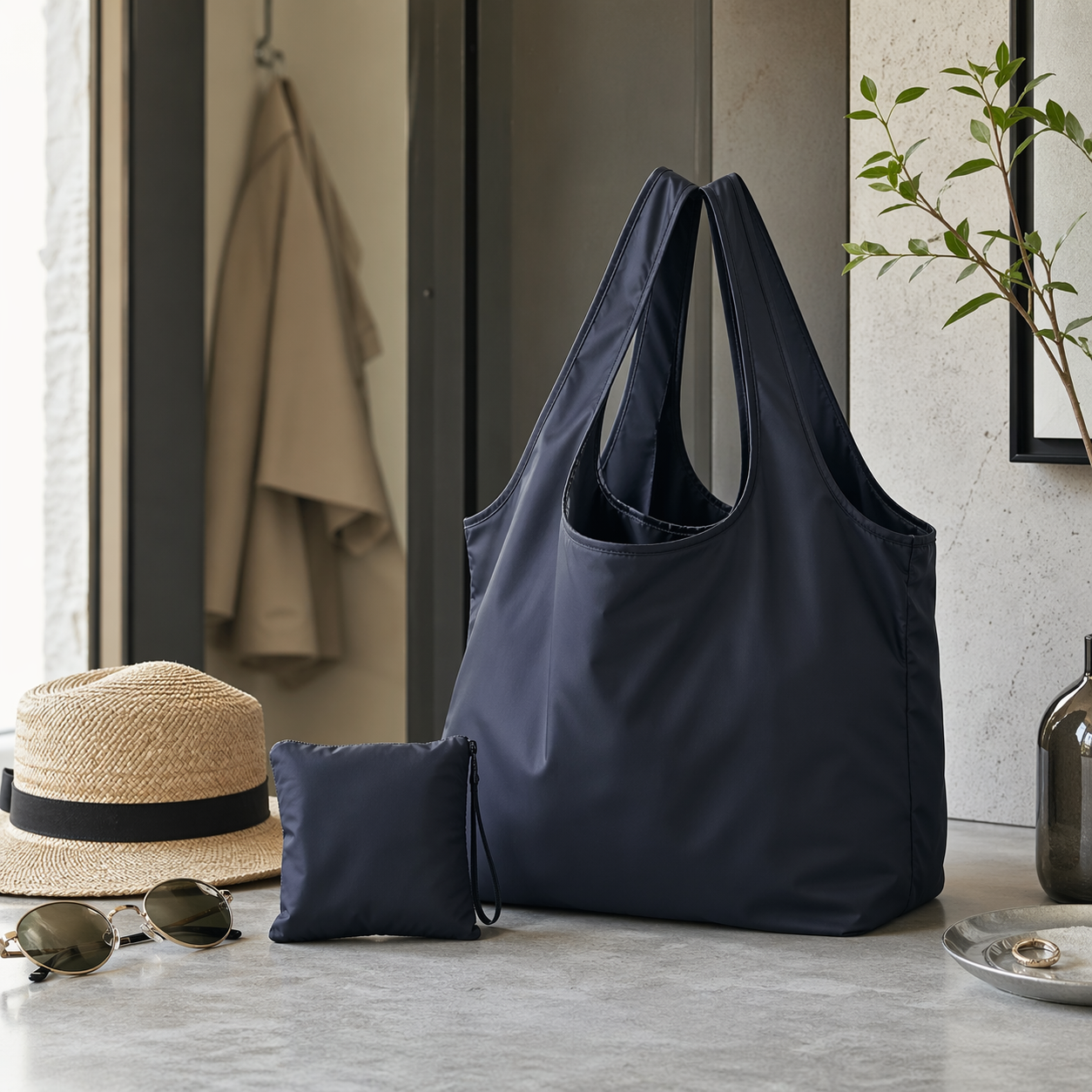
Next step. If you are preparing a 2026 shopping bag or cosmetic bag programme, share your destination market, product use case and required certificate set, and Hansun will respond with a specification-matched quotation and the current certificate copies.
Contact Naomi — Email: hansun20@hansungift.com | Tel: +86 13655771851 | WhatsApp: +60 10-8838562 | Address: NO.8388, Century Road, Longgang City, Wenzhou, Zhejiang, China 325802
Company brochure: download the Hansun product brochure (PDF) | Website: www.hansungift.com
Have Questions or Need More Details?
Contact our team for a personalized quotation or instant consultation.
Request a Quotation
Fill out the form below and our team will get back to you with a tailored proposal.
WhatsApp Direct Chat
Prefer to chat in real-time? Message us on WhatsApp for instant assistance & quick answers.
- Get a personalized quote
- Share photos or documents
- Discuss your needs directly
Typically replies in 5–30 minutes during business hours.