
Your Shopping Bag Questions Answered: Certifications, Customization, and Long-Term Supply Support
Your Shopping Bag Questions Answered: Certifications, Customization, and Long-Term Supply Support
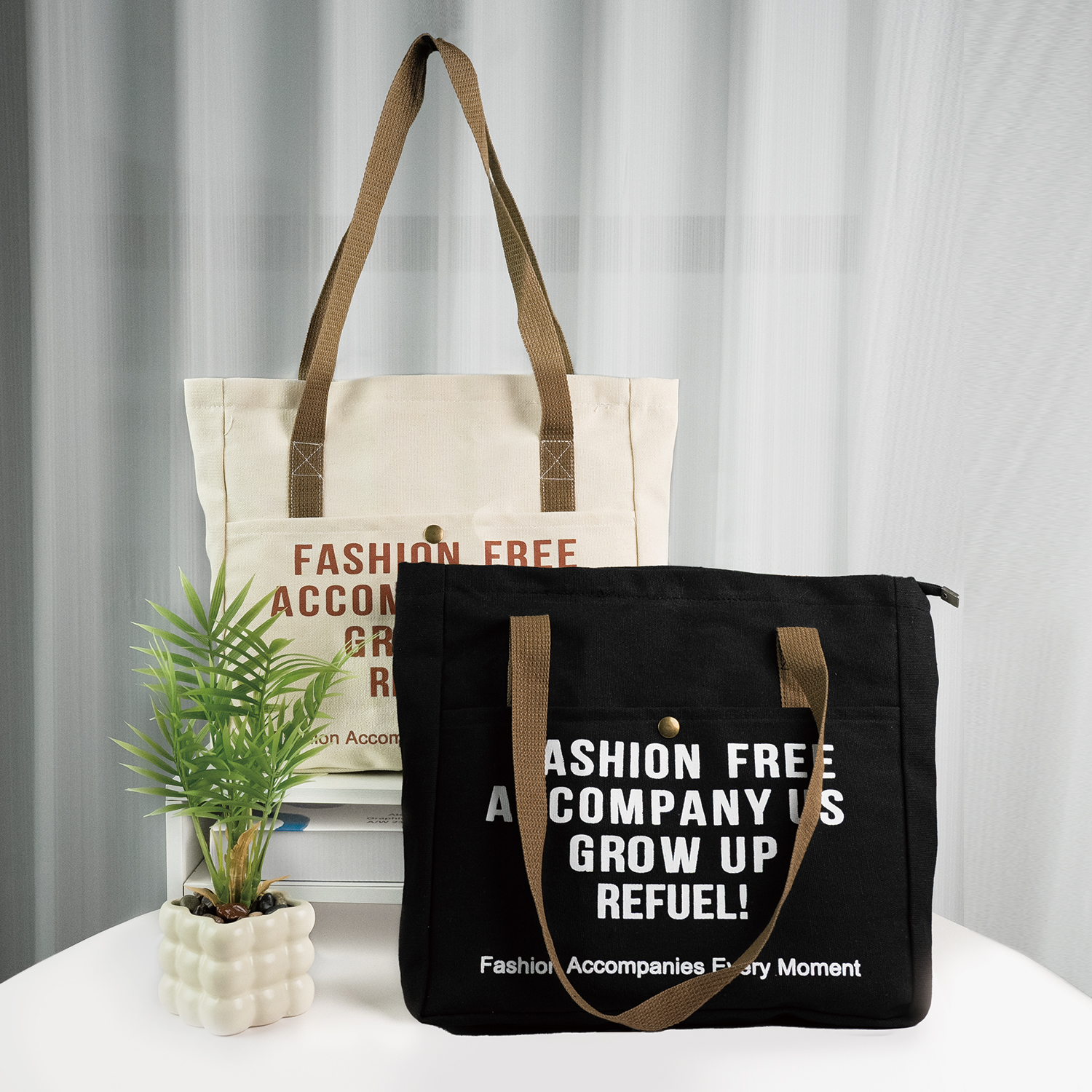
Shopping bag buyers ask a small, predictable set of questions before they commit to a supplier: which certifications actually apply, what can be customized, how sampling works, what the order minimum and lead time are, and whether the same factory will still deliver the same result in year three. This article answers those questions in the order procurement teams normally raise them, using verifiable information about Hansun's manufacturing, compliance and export operations.
Zhejiang Hansun Arts & Crafts Co., Ltd. ("Hansun") is a shopping bag and promotional bag manufacturer based in Wenzhou, Zhejiang, China. Founded in 1996, the company operates a factory with more than 25,000 m² of usable area, employs about 200 people, keeps 25 in-house engineers for product design and development, and produces 20,000,000 units per year. Roughly 70% of that output is exported, and sales and service coverage extends across Southeast Asia, Europe, North America, the Middle East, and major domestic and international cities.
The Real Question Behind Every Shopping Bag Inquiry
The question underneath the questions is almost never about one bag. It is about reproducibility: can this supplier deliver the same bag, to the same specification, across several production runs, without the compliance paperwork, the print color, or the delivery date drifting? Most sourcing failures in this category appear in one of three places — documentation that does not cover the actual producing site or material, customization that changes between the approved sample and bulk production, and supply interruptions caused by capacity, scheduling or material availability.
Regulatory pressure makes those three risks more expensive than they used to be. In the United States, 12 states including California and New York had implemented statewide bans on single-use plastic bags as of 2024, according to the National Conference of State Legislatures, which pushes retail chains toward heavy-duty reusable alternatives rather than thin disposable bags. In the European Union, the Packaging and Packaging Waste Regulation (PPWR, (EU) 2025/40) requires all packaging to be recyclable by 2030 and introduces mandatory recycled content targets for plastic packaging, according to the European Commission. Both changes move the buying conversation away from unit price alone and toward what a supplier can document and repeat.
A practical consequence follows: the cheapest way to evaluate a shopping bag factory is to ask the questions first and price the order second. Bags intended for brand promotional gifts, supermarket retail, corporate welfare, cross-border e-commerce and stationery and office supply programs are used daily, carried outdoors, and exposed to occasional humid conditions, so the specification has to be stable before the volume is committed.
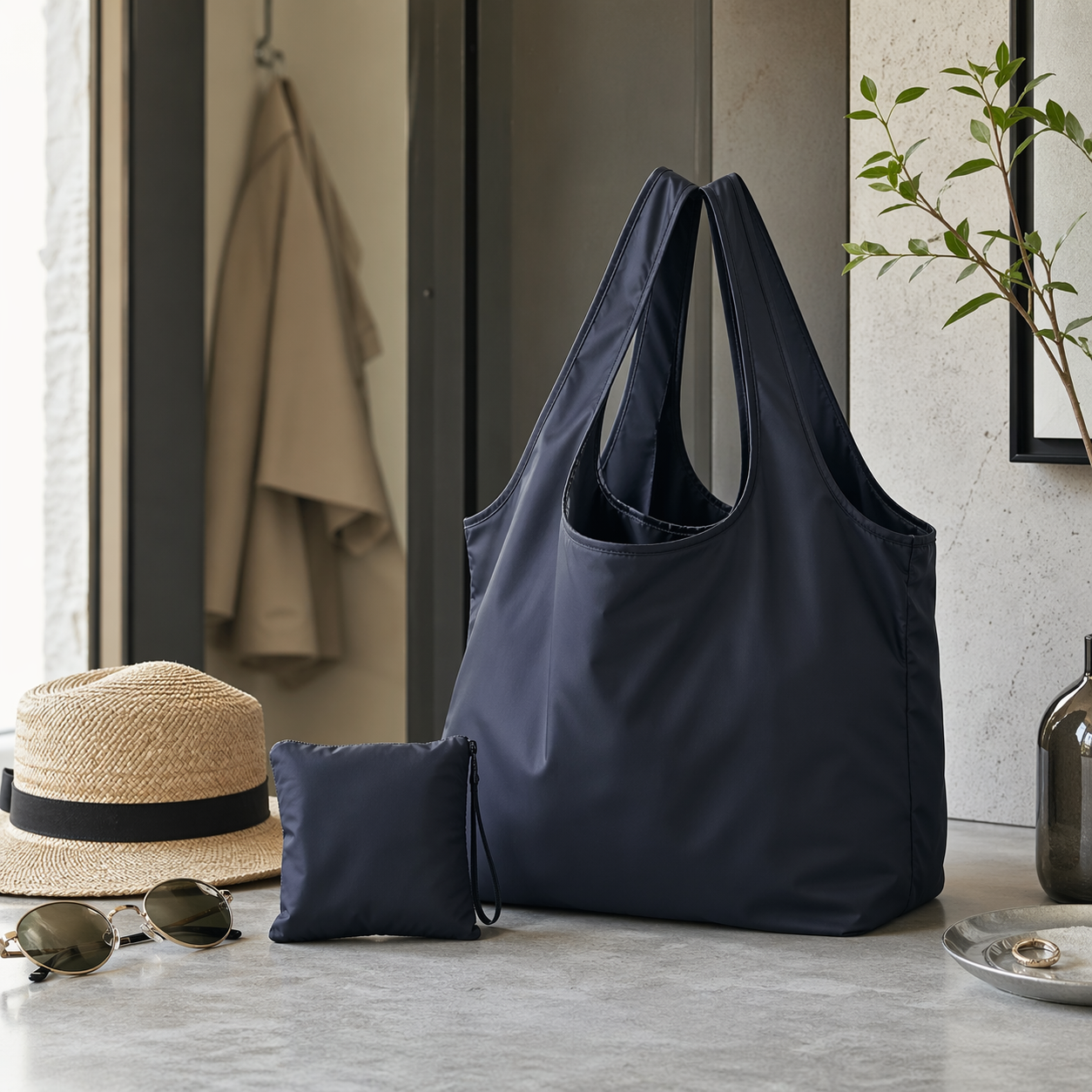
Shopping Bag Sourcing in 2026: What the Numbers Say
The reusable shopping bag category is large and still expanding, although published market sizes vary depending on what each analyst counts. Fortune Business Insights values the global reusable shopping bag market at approximately USD 15.64 billion in 2025, projected to reach USD 28.87 billion by 2034. Other estimates diverge — Fortune Business Insights forecasts USD 16.67 billion for 2026, Business Research Insights forecasts USD 12.11 billion for the same year, and Market Research Future put all shopping bags at USD 14.81 billion in 2024. Buyers should treat any single market figure as directional rather than exact, and should not use it as a substitute for their own category data.
Material structure is more stable across sources. Polypropylene (PP) bags account for nearly 46% of total reusable bag production, a share Business Research Insights attributes to durability and cost-effectiveness. Tote bags dominate the global bag market with a revenue share of approximately 40–41% because of their multi-purpose functionality, according to Market Research Future. On the supply side, China's export value for "suitcases, handbags and similar containers" — a customs category that includes many types of shopping bags — reached USD 27.13 billion for January to November 2025, according to the General Administration of Customs of China.
Customization is the other visible trend. Business Research Insights reports a 34% increase in demand for printed bags in the retail sector, which is consistent with what buyers now ask for: a bag that carries a logo, a campaign message or a loyalty program identity rather than a plain construction. For a manufacturer, that trend changes the production problem. Printing identity has to survive friction, folding and repeated daily use — which is the functional requirement behind scratch-resistant surfaces and wear-resistant logo printing in Hansun's brand promotional and supermarket retail projects.
How Hansun Answers the Three Core Buyer Questions
1. Certifications and material compliance: verify scope, not just the certificate name
Certification questions are answered correctly only when the document is matched to the material and the producing site. A quality management or social compliance document that names a trading office rather than the workshop does not protect the buyer. Hansun's position is straightforward: quality control scope depends on customer requirements, so the inspection plan and the supporting documentation set are agreed at order stage rather than assumed.
The specific compliance requirements already defined in Hansun's brand promotional gift and supermarket retail supporting projects include food-grade eco-friendly PVC, REACH compliance, scratch resistance, and logo printing that resists wear. The project context is room-temperature indoor storage combined with daily outdoor carrying and occasional humid-environment use, under high-frequency repeated daily handling. Those are the conditions the material has to satisfy — not a warehouse shelf life.
For buyers preparing a multi-year program, the useful checklist is procedural:
- Certificate title and number — record both, and confirm what standard version the certificate was issued against.
- Issuing body — identify the accredited body or audit scheme that issued the document.
- Scope — confirm the certificate covers the material and the production site that will actually run the order, not only a sales entity.
- Validity — check issue and expiry dates against the planned production window, including recurring orders.
- Material-level compliance — request the compliance statement for the exact substrate being used, such as PVC, canvas, non-woven fabric, recycled PET, Oxford cloth or PP.
2. Customization: what can actually be changed on an OEM shopping bag
Hansun works in OEM and ODM modes and accepts customization across three variables: logo, size and material. In practice that means the bag can be dimensioned to a retailer's shelf or checkout format, weighted to the load it has to carry, and finished with the buyer's brand identity.
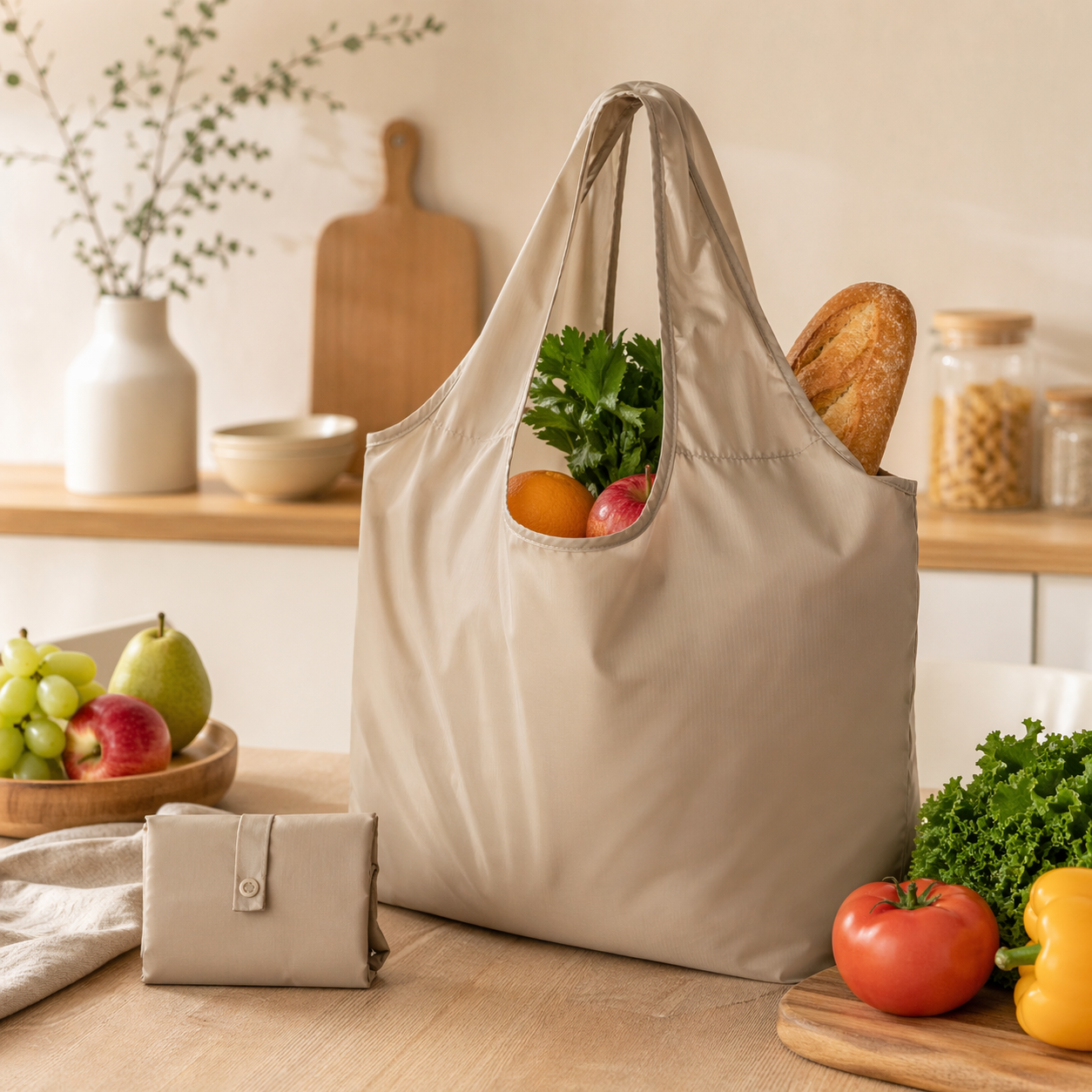
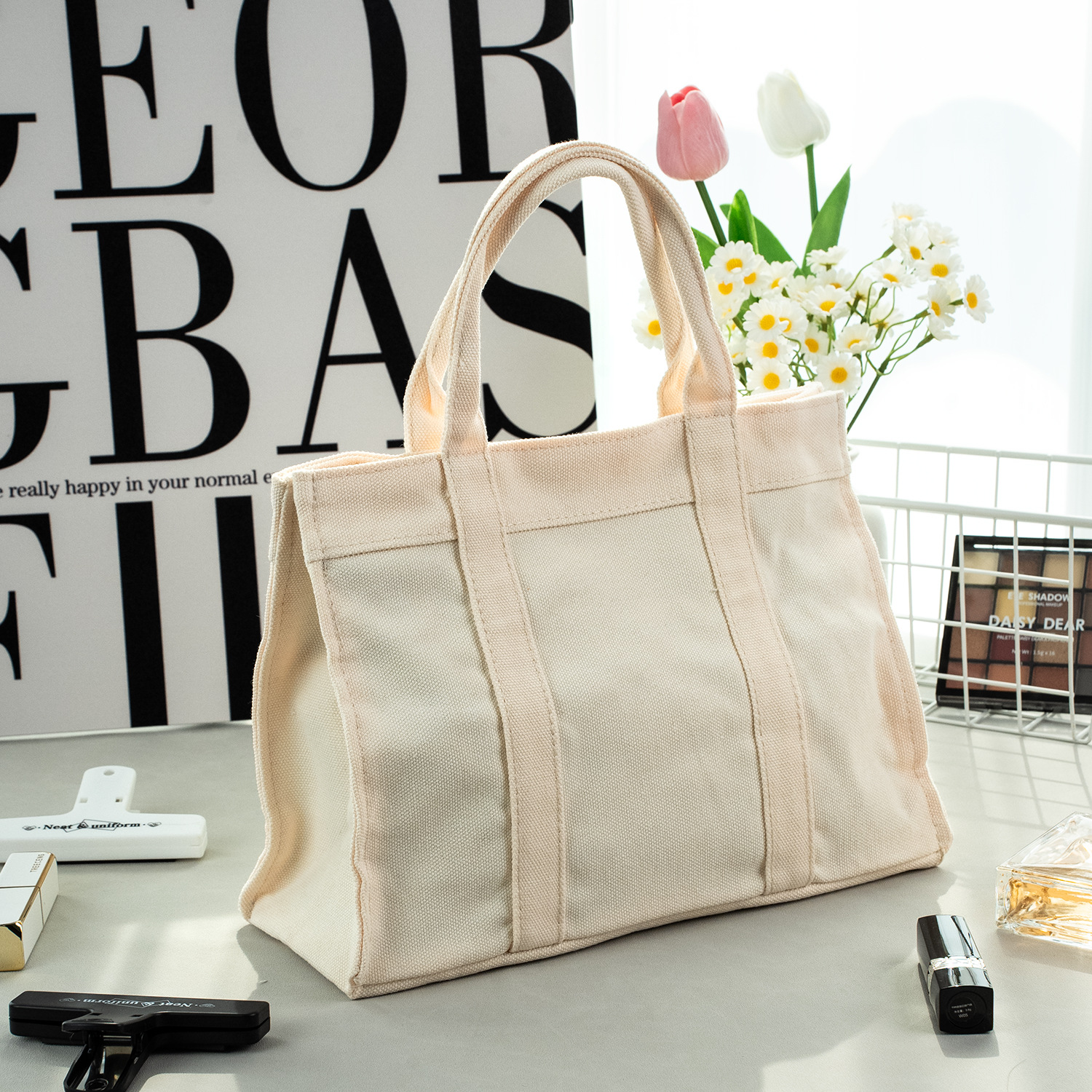
The production specification behind Hansun's shopping bag line (model SB-2026-001) covers reusable foldable shopping bags, eco-friendly non-woven shopping bags and canvas tote shopping bags. Sizes are customizable in S, M, L or customer-specific dimensions; unit weight ranges from 50 g to 200 g per piece depending on material and size; and the available craft methods are silk screen printing, heat transfer and offset printing. Material options are non-woven fabric, canvas, recycled PET, Oxford cloth and PP.
| Material option | Typical fit within a shopping bag program | Note for buyers |
|---|---|---|
| Non-woven fabric | Promotional giveaways, supermarket retail, corporate welfare | Lightweight base for high-volume printed programs |
| Canvas | Tote and multi-purpose bags used daily | Supports structured totes and branded webbing handles |
| Recycled PET | Programs with recycled content requirements | Relevant to markets introducing recycled content targets |
| Oxford cloth | Durable carrying formats, travel use | Choose when abrasion resistance matters more than hand-feel |
| PP | Reusable alternatives replacing single-use bags | PP accounts for nearly 46% of reusable bag production globally (Business Research Insights) |
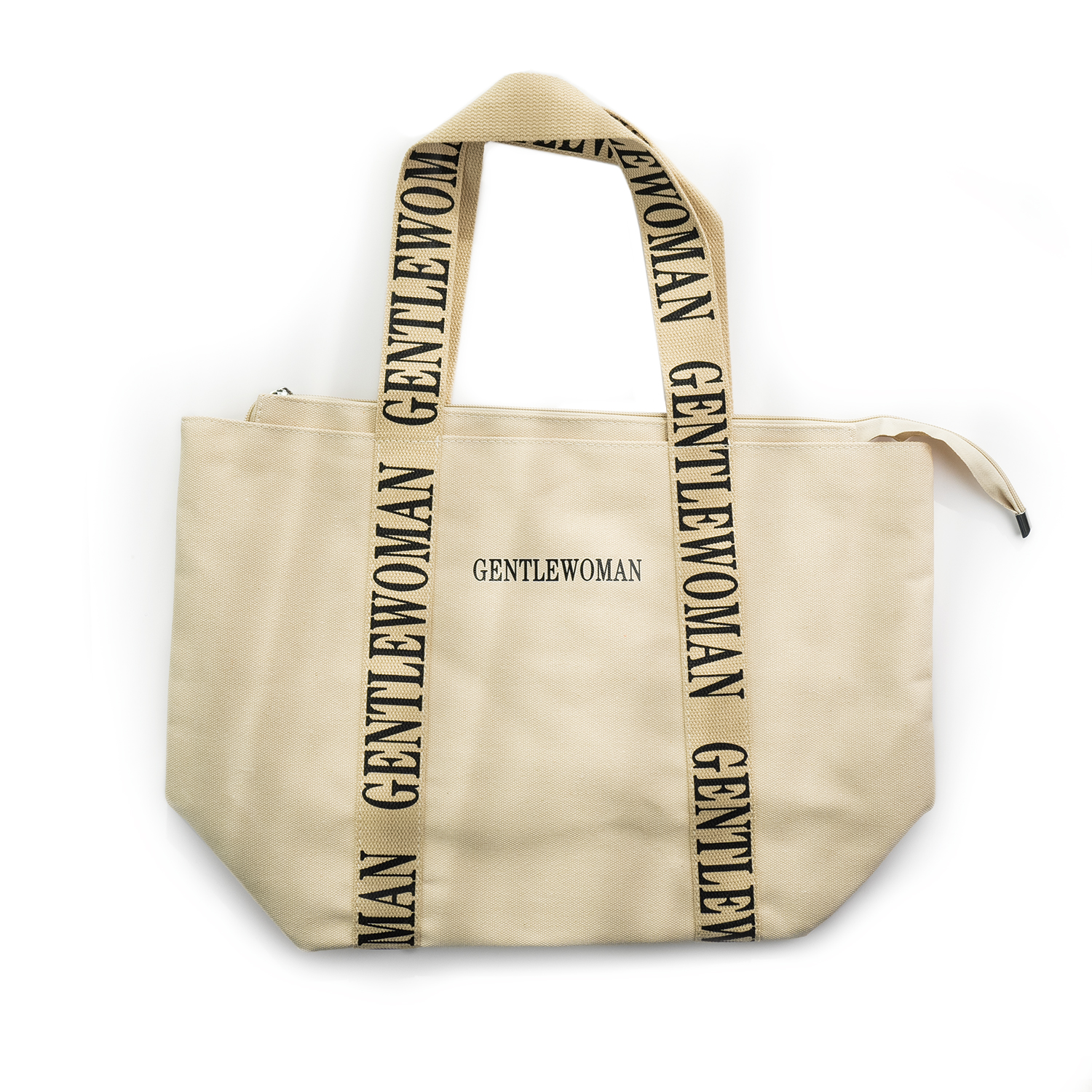
Supporting accessories change how a bag reads at the point of sale. Hansun produces shopping bags with hang tags, webbing and brand stickers as accessories, and the sample range includes constructions with letter-printed webbing handles, which is a common way to carry branding onto the handle without printing the full bag body. Because these accessories sit on the exterior of the bag, they are also the components most likely to be imitated or lost in daily use — so their attachment method should be confirmed on the approved sample.
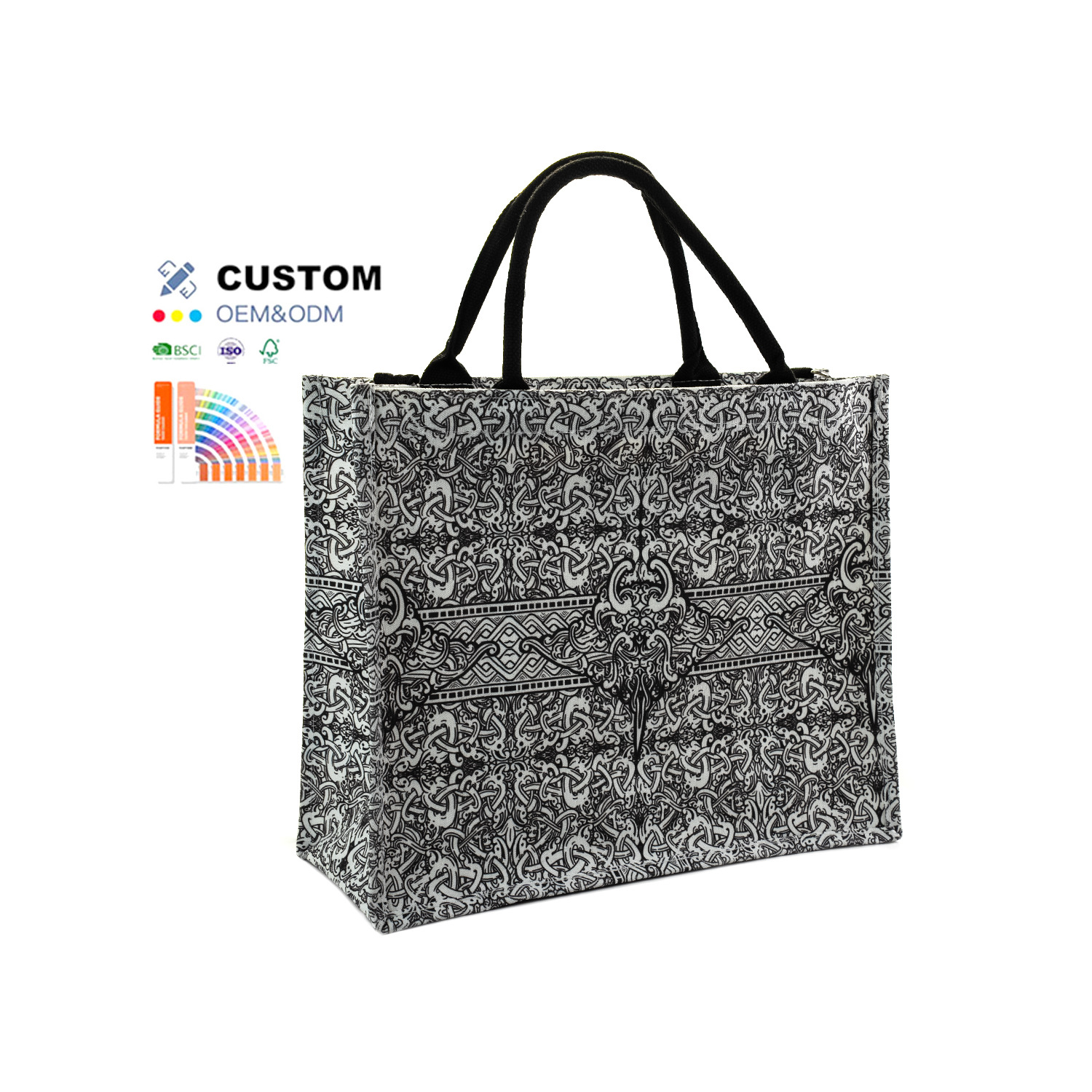
Printing method selection is a commercial decision as much as a visual one. Silk screen printing is typically used where color is limited and coverage is broad; heat transfer supports more detailed artwork; offset printing is applied where a different finish or surface is required. Whichever method is chosen, the approved sample becomes the color and placement reference for bulk runs.
3. Long-term supply support: capacity, lead time and after-sales
Long-term supply support means the supplier can absorb a recurring order without renegotiating the fundamentals each time. Hansun's operating base for that commitment is a 25,000 m² factory, approximately 200 employees, 25 engineers, monthly capacity of 1,500,000 units, and annual output of 20,000,000 units. Standard production lead time is 30–45 days, and the minimum order quantity is 3,000 pieces. After-sales service is provided through remote support.
Those numbers matter less as marketing claims than as scheduling inputs. A buyer running a quarterly promotional calendar can compare a 1,500,000-unit monthly capacity against forecast demand, and can use the 30–45 day lead time to decide how far ahead the artwork and purchase order need to be locked. The 3,000-piece minimum determines whether a program is produced as a single run or split across several SKUs, which in turn affects printing setup and consistency between variants.
Step-by-Step Breakdown: From First Inquiry to Repeat Supply
The sequence below reflects how a shopping bag program moves from question to recurring order. Each step has a specific output that the buyer should hold on file.
- Define the scenario and the functional brief. State where the bag will be used — supermarket retail, brand promotional gifting, corporate welfare, cross-border e-commerce, or stationery and office supply — and the load, frequency and storage conditions. Output: a written brief covering size range, target weight, material direction and accessory list.
- Request and verify compliance documentation. Ask for the certificate title, number, issuing body, scope and validity, and map each document to the substrate and the producing site. Output: a compliance file checked against the destination market's requirements, including REACH-relevant material statements where applicable.
- Approve material, construction and print through a sample. Review hand-feel, handle attachment, webbing, hang tags, print color and logo wear resistance on a physical sample rather than a digital mockup. Output: a signed and dated approved sample.
- Lock the specification, MOQ and schedule. Confirm the final size, unit weight (50–200 g per piece range), printing method, order quantity against the 3,000-piece minimum, and the 30–45 day lead time window. Output: a purchase order with an attached specification sheet.
- Run the pilot batch under the agreed quality-control plan. Because Hansun sets quality-control scope according to customer requirements, the inspection criteria, sampling method and acceptance thresholds should be defined before production starts. Output: an inspection record for the first shipment.
- Convert to a recurring supply plan. Keep the approved sample, the inspection record and the compliance file as the reference set for every following order, so that reorders do not reopen questions that were already answered. Output: a rolling supply schedule.
Use Cases: Where These Answers Matter Most
A Japanese chain supermarket program shows how the answers hold up over time. The client, an OEM/ODM buyer, ordered 1,000,000 units of reusable shopping bags for daily shopping and promotional gifting. Hansun maintained a 99.7% product qualification rate with zero delivery delay, and the client placed repeated orders for three consecutive years. The bags met Japan's eco-friendly standards and were recognized by both the client and end consumers. The highlight of that project was the combination of eco-friendly material, strict quality control, on-time delivery and custom printing matched to the supermarket's branding requirements — which is precisely the combination that the questions in this article are designed to test.
Different scenarios stress different parts of the answer:
- Supermarket retail: the constraint is volume consistency and print durability, because bags are handled at every checkout and reused by shoppers for months.
- Brand promotional gifts: the constraint is compliance and finish, because the bag carries the brand into a regulated market and is often retained by the recipient.
- Corporate welfare: the constraint is a predictable specification at volume, usually with a multi-purpose format that suits both commuting and shopping.
- Cross-border e-commerce: the constraint is dimensional accuracy and packing discipline, since the bag is often shipped as part of a larger order.
- Stationery and office supply: the constraint is a lighter, more portable construction, frequently with a foldable format.
Comparison Table: What Buyers Should Verify vs. What Hansun Documents
The table below lists the eight questions that decide a multi-year shopping bag partnership, the evidence a buyer should request, and the corresponding verifiable position. It is deliberately limited to facts that can be confirmed in writing.
| Procurement question | What the buyer should verify | Hansun's verifiable position |
|---|---|---|
| Manufacturing base | Factory area, workforce size and in-house engineering depth | Founded 1996; 25,000 m²+ usable factory area; approximately 200 employees; 25 in-house engineers |
| Production capacity | Annual and monthly capacity against forecast demand | 20,000,000 units per year; 1,500,000 units per month |
| Order minimum and schedule | MOQ and lead time confirmed in the purchase order | MOQ 3,000 pieces; lead time 30–45 days |
| Customization scope | Which variables can change and how printing is applied | OEM/ODM; customization of logo, size and material; silk screen printing, heat transfer and offset printing |
| Material compliance | Substrate-level documents for the destination market | Brand promotional and supermarket retail projects specify food-grade eco-friendly PVC and REACH compliance, with scratch-resistant surfaces and wear-resistant logo printing |
| Quality-control plan | Who defines inspection scope and acceptance criteria | Quality control depends on customer requirements and is agreed with the buyer |
| Export experience | Destination markets and share of export output | Approximately 70% export ratio; sales and service coverage across Southeast Asia, Europe, North America, the Middle East and major domestic and international cities |
| After-sales support | How issues are handled across multiple years of supply | Remote after-sales support; one Japanese chain supermarket client sustained repeated orders for three consecutive years with zero delivery delay |
FAQ: The Questions Buyers Ask Before Committing
1. Which certification and compliance documents should a buyer verify before confirming a multi-year shopping bag order?
A buyer should verify four things for every document: the certificate title and number, the issuing body, the scope (which materials and which production site are covered), and the validity dates relative to the production window. A third check is substrate-level: the compliance statement should name the exact material being used, such as PVC, canvas, non-woven fabric, recycled PET, Oxford cloth or PP. In Hansun's brand promotional gift and supermarket retail projects, the defined requirements include food-grade eco-friendly PVC, REACH compliance, scratch resistance and wear-resistant logo printing, and quality control scope is set according to customer requirements. That means the document set is agreed per order rather than assumed, and buyers should ask for each document to be mapped to the material and the factory that will run the order.
2. What customization options and accessories are available on OEM shopping bags?
Hansun accepts OEM and ODM orders with customization of logo, size and material. The shopping bag line (model SB-2026-001) covers reusable foldable shopping bags, eco-friendly non-woven shopping bags and canvas tote shopping bags, with sizes customizable in S, M, L or customer-specific dimensions and unit weights from 50 g to 200 g per piece depending on material and size. Printing options are silk screen printing, heat transfer and offset printing. Supporting accessories include hang tags, webbing and brand stickers, and the sample range includes constructions with letter-printed webbing handles. Material options are non-woven fabric, canvas, recycled PET, Oxford cloth and PP.
3. What is the minimum order quantity for custom shopping bags, and what drives the unit cost?
The minimum order quantity at Hansun is 3,000 pieces. Four variables drive the unit cost of a custom shopping bag: the material chosen (non-woven fabric, canvas, recycled PET, Oxford cloth or PP), the size, the unit weight within the 50 g to 200 g per piece range, and the printing method (silk screen printing, heat transfer or offset printing). Accessories such as hang tags, webbing and brand stickers add components that are quoted with the bag. Because capacity is 1,500,000 units per month against 20,000,000 units per year, buyers can also compare how an order is split across SKUs — splitting a program into more variants increases printing setup relative to a single high-volume run.
4. How does the sampling process work before bulk production starts?
Sampling is the step where the written specification becomes a physical reference. The buyer reviews material hand-feel, handle and webbing attachment, hang tag and brand sticker placement, print color, and logo wear resistance on a physical sample rather than a digital mockup. Hansun maintains sample rooms where bag constructions are kept for review, and the approved sample is then used as the color and placement standard for bulk production. The practical advice for buyers is to sign and date the approved sample, keep a duplicate, and attach it to the purchase order so that reorders in later years reference the same standard.
5. What is the production lead time, and how is supply continuity maintained across multiple years?
Standard lead time at Hansun is 30–45 days, with a minimum order quantity of 3,000 pieces and monthly capacity of 1,500,000 units against 20,000,000 units of annual output. Continuity across multiple years is supported by remote after-sales service and by keeping a stable reference set — the approved sample, the inspection record and the compliance file — so that each reorder repeats a known specification. A Japanese chain supermarket client ordered 1,000,000 units for daily shopping and promotional gifting and received a 99.7% product qualification rate with zero delivery delay, then placed repeated orders for three consecutive years. If you are planning a program that has to hold that standard, you can download the product brochure or send your scenario details to the contact below and request a sample or quotation for your specification.
Conclusion: Answer the Questions First, Then Place the Order
Certifications, customization, lead time and after-sales support are not separate topics — they are the same question asked four ways: can this supplier repeat an approved result? The verifiable answers are on the record: Hansun was founded in 1996, runs a 25,000 m² factory with about 200 employees and 25 engineers, produces 20,000,000 units a year at 1,500,000 units per month, works to a 3,000-piece minimum and a 30–45 day lead time, customizes logo, size and material with silk screen, heat transfer or offset printing, and supports buyers through remote after-sales service. For projects in brand promotional gifts, supermarket retail, corporate welfare, cross-border e-commerce and stationery and office supply, those facts can be checked against documents rather than accepted on trust.
Request a Sample, Quotation or the Product Catalog
Send your bag specification — target scenario, size, material direction, printing method, accessory list and estimated annual volume — and Hansun will confirm feasibility, MOQ and schedule.
- Contact: Naomi
- Email: hansun20@hansungift.com
- Tel: +86 13655771851
- WhatsApp: +60 10-8838562
- Address: NO.8388, Century Road, Longgang City, Wenzhou, Zhejiang, China 325802
- Company website: hansungift.com
- Catalog download: Product brochure (PDF)
This article is based on information provided by Zhejiang Hansun Arts & Crafts Co., Ltd. regarding its manufacturing, capacity, customization and export operations, and on published third-party market and regulatory data attributed in the text. Certification scope, quality-control plans and delivery schedules are confirmed per order.
Have Questions or Need More Details?
Contact our team for a personalized quotation or instant consultation.
Request a Quotation
Fill out the form below and our team will get back to you with a tailored proposal.
WhatsApp Direct Chat
Prefer to chat in real-time? Message us on WhatsApp for instant assistance & quick answers.
- Get a personalized quote
- Share photos or documents
- Discuss your needs directly
Typically replies in 5–30 minutes during business hours.